
Comparing Boiler Installation Companies: Who Looks at the Whole Heating System?
Choosing a company to replace a boiler involves more than comparing the price of the appliance. A boiler has to work with the property’s existing heating system, so the quality of the assessment and installation process can be just as important as the make and model being offered.

Why you can trust our content
We understand that the boiler industry can be confusing, with plenty of outdated or misleading information. That’s why we rely only on trusted, proven sources to guide our advice and installations:

At a glance
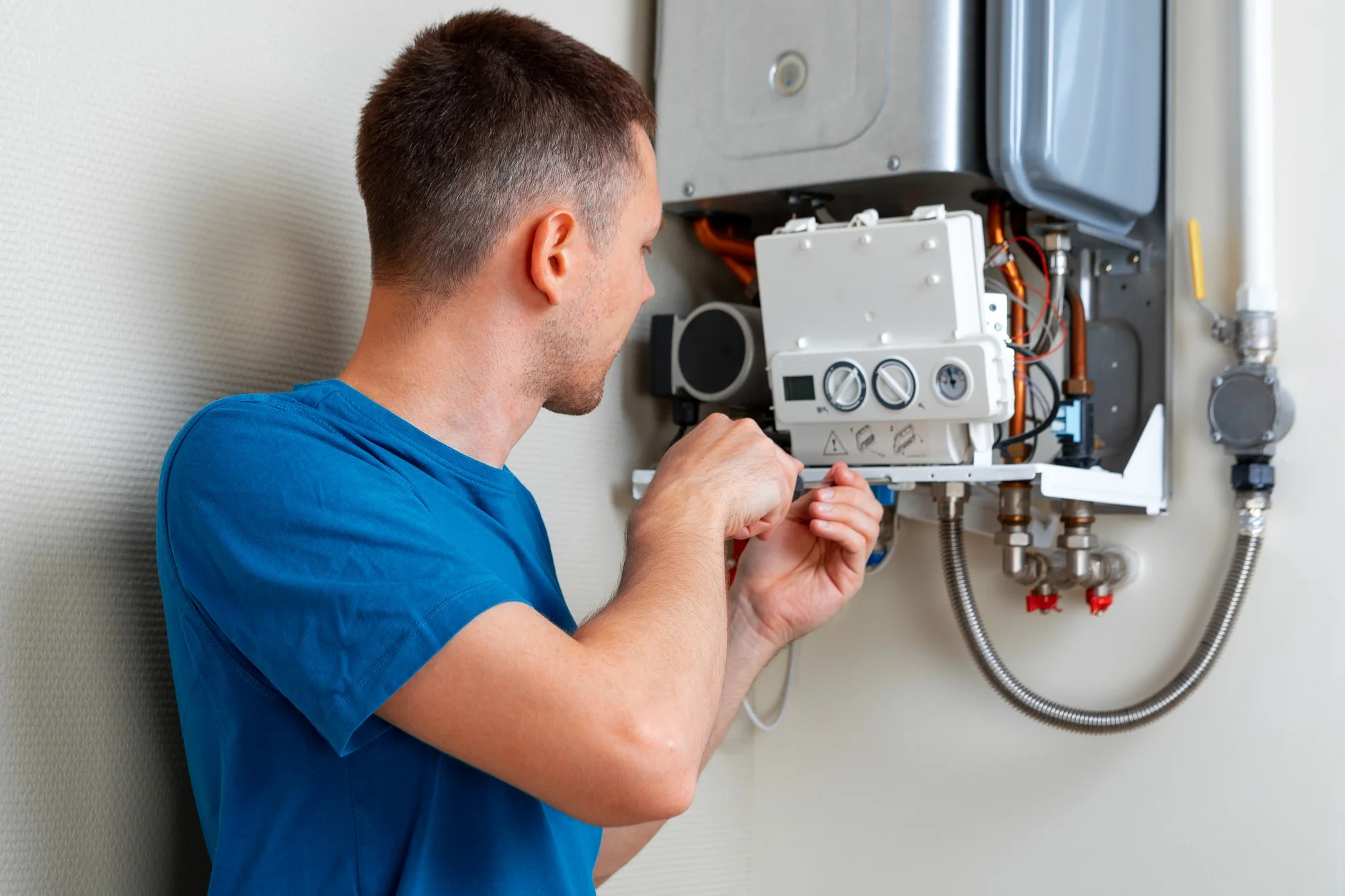
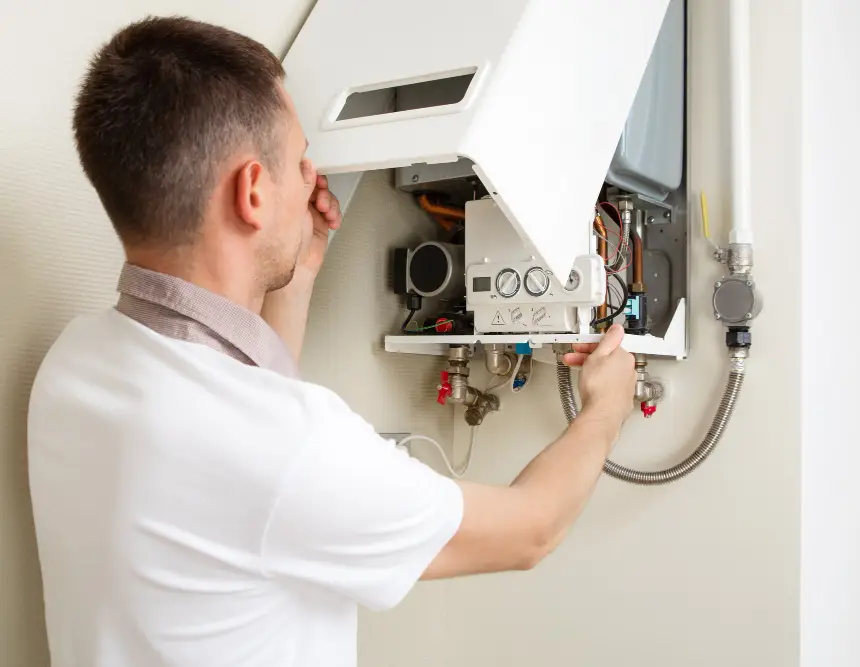
Different installers may approach a replacement in different ways. One may focus mainly on the boiler itself, while another takes time to assess the radiators, pipework, controls, hot water requirements and installation location.
For homeowners comparing the best boiler installation companies, understanding what should happen before the work begins can make the decision much clearer.
Why should a boiler installer assess the whole heating system?
A boiler does not operate in isolation. It heats water that needs to circulate through the property’s heating system, while controls determine when heat is required.
If another part of the system has a problem, installing a new boiler may not solve the underlying issue.
A proper assessment can help identify:
- Existing circulation problems
- Unsuitable or damaged pipework
- Poorly performing radiators
- Outdated heating controls
- Hot water requirements
- Boiler location limitations
- Flue and condensate requirements
- Components that can safely be retained
This does not mean every part of the heating system needs replacing. The purpose of an assessment is to determine what is suitable and what may require attention.
What should happen during a boiler assessment?
The exact process depends on the property, but an installer should gather enough information to understand the existing system and the proposed replacement.
This may include checking:
- The current boiler and its output
- The type of heating system
- Radiator arrangement
- Pipework and connections
- Heating controls
- Hot water requirements
- Boiler location
- Flue arrangements
- Condensate drainage
- Accessibility for installation and future servicing
The installer may also ask about recurring problems. If some rooms are regularly cold or hot water has become unreliable, that information can influence the recommendations.
A company that takes time to understand these details can provide a more useful assessment than one working from limited information.
How important is boiler sizing?
Boiler sizing is one of the areas that deserves particular attention.
A boiler that is too small may struggle to meet the property’s heating or hot water requirements. A boiler that is larger than necessary may not be the most appropriate choice either.
Heating requirements depend on factors such as:
- Property size
- Heat loss
- Insulation
- Number of rooms
- Radiator output
- Hot water demand
- Property layout
- Number of bathrooms
For combi boilers, the incoming mains water supply is also important because the boiler has to heat water as it flows through the appliance.
This is why simply choosing the same boiler output as the old appliance is not always the best approach.
See how much you could save
Which fuel powers your boiler?
Mains Gas
LPG
It just takes 60 Seconds
And then you can book a free consultation
Do good installers check existing radiators?
They should consider them as part of the wider heating system.
A radiator does not need replacing simply because the boiler is being replaced. If it is correctly sized and in good condition, it may continue to perform effectively.
However, an installer may identify signs that require attention, such as:
- Uneven heating
- Corrosion
- Leaking valves
- Persistent cold spots
- Poor circulation
- Radiators that appear unsuitable for the room
Checking these issues can help determine whether the new boiler will be able to deliver the expected level of heating.
If radiators are functioning properly, retaining them may be the most sensible approach.
What about the existing pipework?
Pipework is another important part of the assessment.
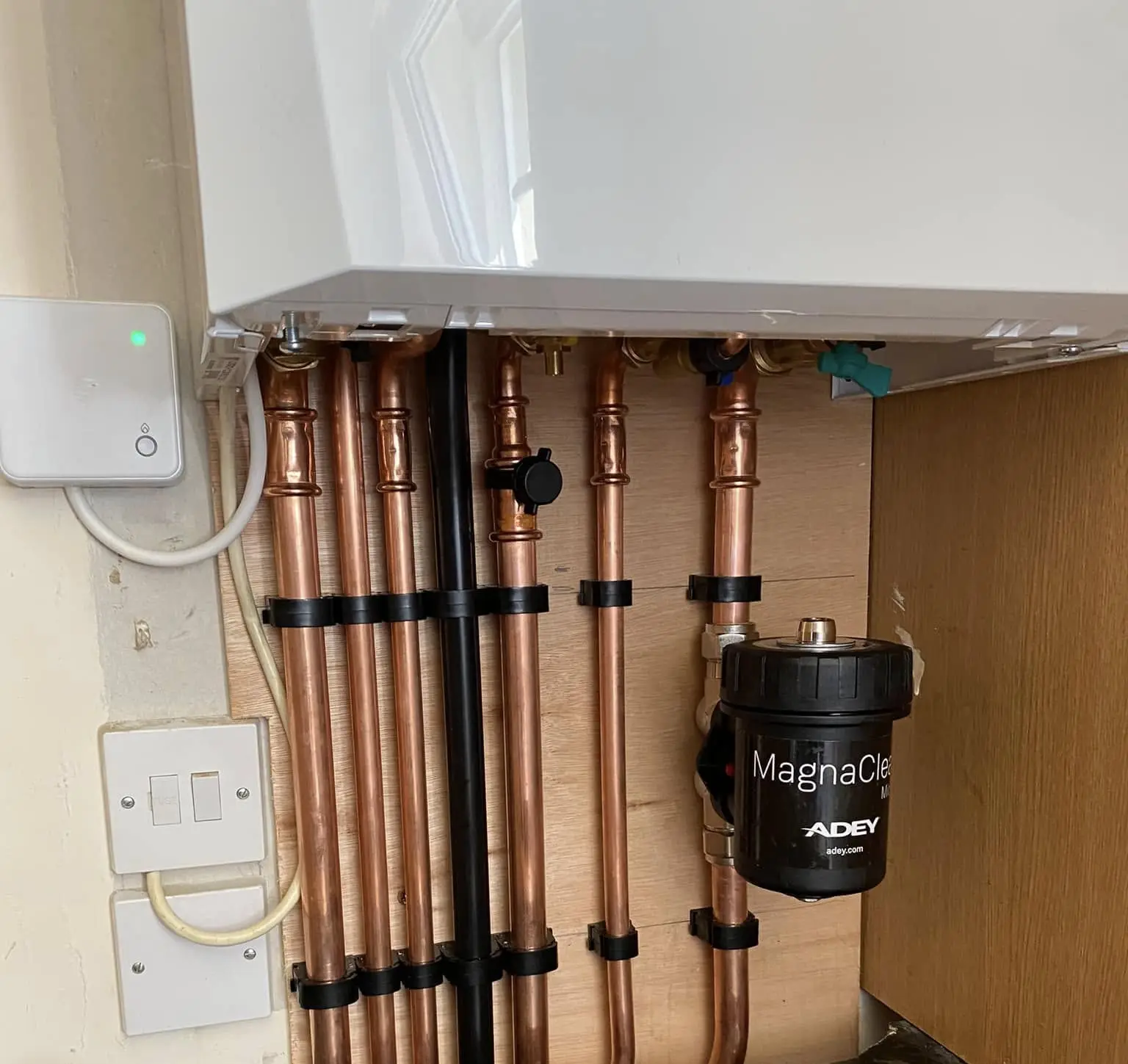
Older systems may contain a mixture of pipe sizes and materials resulting from previous alterations. There may also be sections affected by corrosion, debris or restricted flow.
A replacement boiler needs suitable connections and adequate circulation.
An installer may therefore assess:
- Pipe size
- Condition
- Connections
- Routing
- Signs of leakage
- Restrictions
- Compatibility with the proposed appliance
Not every older pipe installation needs replacing. The condition and requirements of the individual system should determine whether changes are needed.
Are heating controls included in a proper assessment?
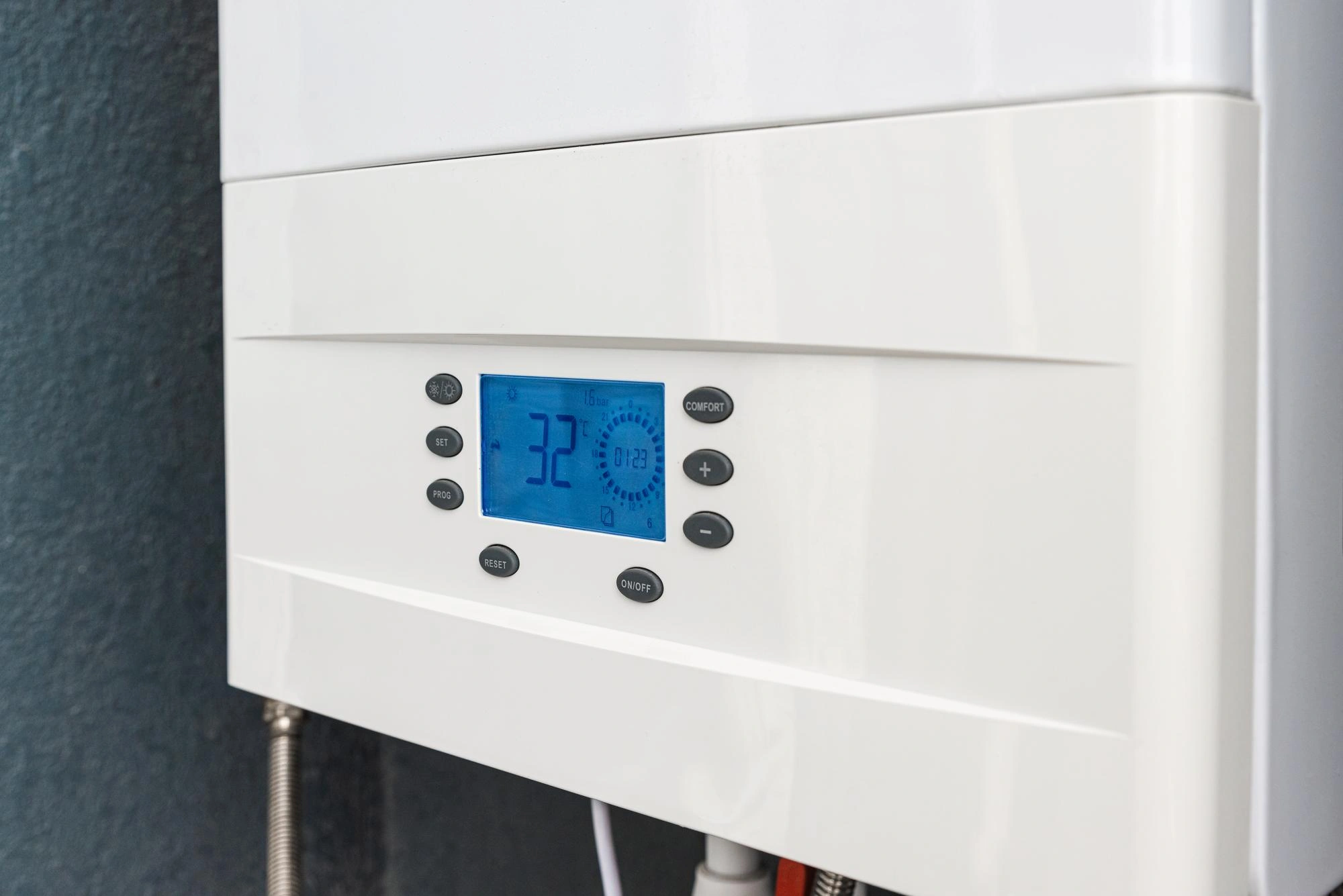
Heating controls should be considered because they determine when the boiler operates and how temperatures are managed.
An older thermostat or programmer may still function, but it may not be suitable for the proposed boiler or the homeowner’s current requirements.
During an assessment, the installer can establish whether the controls should be retained, replaced or upgraded.
For homeowners comparing boiler installation companies, asking what controls are included in the quotation can help prevent confusion later.
Contact Inver-Heat to discuss the boiler, controls and wider heating system
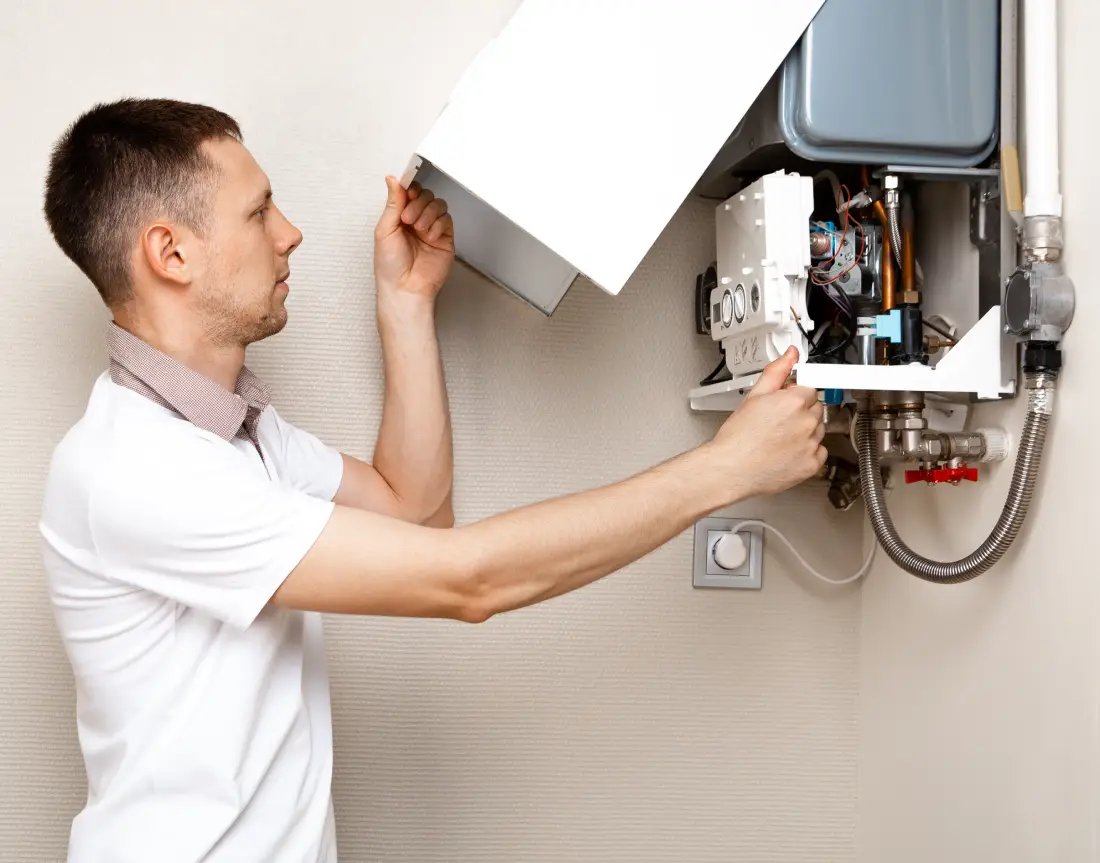
Does the installation company need to inspect the boiler location?
Yes. The physical location of the appliance affects how it can be installed.
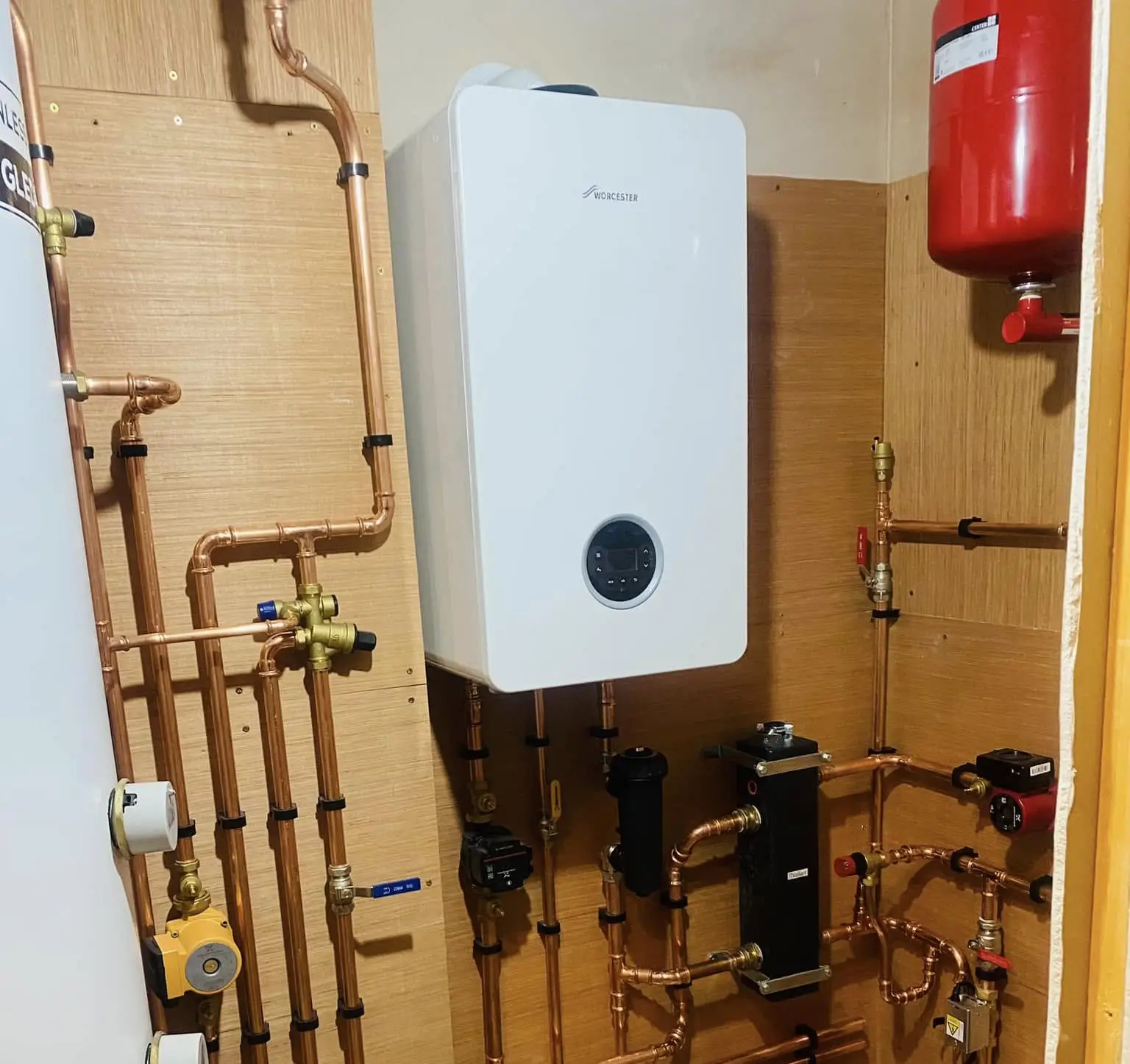
The installer needs to consider available space, access, connections, flue routing and condensate drainage. If the boiler is being moved, the work can become more involved because pipework and other connections may need to be altered.
The location should also allow appropriate access for future servicing and maintenance.
A site assessment can therefore identify practical limitations before installation begins rather than discovering them on the day.
How should installers explain their quotations?
A useful quotation should make the scope of work reasonably clear.
When comparing the best boiler installation companies, look for information covering the main components of the installation.
| Quotation area | What to look for |
| Boiler | Make, model and output |
| Labour | Installation work included |
| Flue | Required components and installation |
| Controls | Existing or replacement controls |
| Pipework | Any required modifications |
| Filter | Whether one is included or recommended |
| System cleaning | Whether cleaning is required |
| Removal | Existing boiler removal and disposal |
| Warranty | Appliance and installation cover |
| Additional work | Clear assumptions and exclusions |
This makes it easier to compare quotations based on the complete job rather than a headline figure.
A lower initial price is not necessarily directly comparable with a higher quote if one includes work that the other excludes.
What qualifications and experience should homeowners check?
Gas boiler work should be carried out by an appropriately qualified and registered gas engineer.
Homeowners should also consider whether the company has experience with the type of property and heating system involved.
Useful questions include:
- Who will carry out the installation?
- What qualifications or registrations do they hold?
- Will the work be tested and commissioned correctly?
- What documentation will be provided?
- What warranty applies?
- Who should be contacted if a problem develops after installation?
These questions are practical rather than simply promotional. They help establish how the installation will be managed from assessment through to completion.
Should an installer discuss the existing heating problems?
Yes. Existing symptoms can provide important information.
If the property has experienced cold radiators, pressure loss, inconsistent hot water or recurring boiler faults, these issues should be discussed before the replacement is agreed.
A new appliance may address a boiler fault, but it will not necessarily resolve a problem caused by the wider system.
An installer who understands the history of the heating system can factor those symptoms into the assessment and explain whether additional investigation is appropriate.
Can a new boiler be installed without changing everything?
In many homes, yes.
A replacement does not automatically require new radiators, complete pipework replacement or a new heating control system.
The decision should depend on the condition and compatibility of each component.
For example, a property may have perfectly serviceable radiators but outdated controls. Another may have modern controls but restricted pipework. The appropriate installation will therefore vary from home to home.
This is why a whole-system assessment is useful.
How should homeowners compare installers?
Rather than focusing on one figure, consider the overall installation process.
A useful comparison should include:
- Whether a proper assessment has been carried out
- Whether the boiler has been correctly sized
- What existing components have been checked
- What is included in the quotation
- Whether additional work is clearly explained
- What controls are being supplied
- What warranty and documentation are provided
- Who will carry out the installation
- Whether aftercare arrangements are explained
This gives homeowners a more complete basis for comparing companies.
The best boiler installation companies should be able to explain their recommendations in clear, practical language rather than leaving the homeowner to work out what the quotation means.
Speak to Inver-Heat for a detailed assessment and tailored boiler installation advice.
A typical installation comparison
Imagine two homeowners with similar three-bedroom properties who are replacing older boilers.
One receives a quotation based largely on the boiler model and standard installation. The other receives a quotation after the installer checks the heating controls, radiator performance, pipework, boiler location and hot water requirements.
The second quotation may contain additional work, but that does not automatically mean the work is unnecessary. The important point is whether the recommendations are supported by the condition and requirements of the individual heating system.
This illustrates why comparing the scope of work can be more informative than comparing the headline price alone.
Choosing a boiler installer is about more than selecting an appliance and comparing prices. The wider heating system has a direct bearing on how the new boiler will perform, so the quality of the assessment matters.
For homeowners comparing the best boiler installation companies, look for an approach that considers the boiler alongside the radiators, pipework, controls, hot water requirements and installation environment.
Inver-Heat can assess the existing system and explain what is involved before installation begins. Clear advice and a well-defined quotation can give homeowners a better understanding of the work and greater confidence in the finished heating system.
Related articles
Mains Gas
LPG
At a glance
Different installers may approach a replacement in different ways. One may focus mainly on the boiler itself, while another takes time to assess the radiators, pipework, controls, hot water requirements and installation location.
For homeowners comparing the best boiler installation companies, understanding what should happen before the work begins can make the decision much clearer.
Why should a boiler installer assess the whole heating system?
A boiler does not operate in isolation. It heats water that needs to circulate through the property’s heating system, while controls determine when heat is required.
If another part of the system has a problem, installing a new boiler may not solve the underlying issue.
A proper assessment can help identify:
- Existing circulation problems
- Unsuitable or damaged pipework
- Poorly performing radiators
- Outdated heating controls
- Hot water requirements
- Boiler location limitations
- Flue and condensate requirements
- Components that can safely be retained
This does not mean every part of the heating system needs replacing. The purpose of an assessment is to determine what is suitable and what may require attention.
What should happen during a boiler assessment?
The exact process depends on the property, but an installer should gather enough information to understand the existing system and the proposed replacement.
This may include checking:
- The current boiler and its output
- The type of heating system
- Radiator arrangement
- Pipework and connections
- Heating controls
- Hot water requirements
- Boiler location
- Flue arrangements
- Condensate drainage
- Accessibility for installation and future servicing
The installer may also ask about recurring problems. If some rooms are regularly cold or hot water has become unreliable, that information can influence the recommendations.
A company that takes time to understand these details can provide a more useful assessment than one working from limited information.
How important is boiler sizing?
Boiler sizing is one of the areas that deserves particular attention.
A boiler that is too small may struggle to meet the property’s heating or hot water requirements. A boiler that is larger than necessary may not be the most appropriate choice either.
Heating requirements depend on factors such as:
- Property size
- Heat loss
- Insulation
- Number of rooms
- Radiator output
- Hot water demand
- Property layout
- Number of bathrooms
For combi boilers, the incoming mains water supply is also important because the boiler has to heat water as it flows through the appliance.
This is why simply choosing the same boiler output as the old appliance is not always the best approach.
See how much you could save
Which fuel powers your boiler?
Mains Gas
LPG
It just takes 60 Seconds
And then you can book a free consultation
Do good installers check existing radiators?
They should consider them as part of the wider heating system.
A radiator does not need replacing simply because the boiler is being replaced. If it is correctly sized and in good condition, it may continue to perform effectively.
However, an installer may identify signs that require attention, such as:
- Uneven heating
- Corrosion
- Leaking valves
- Persistent cold spots
- Poor circulation
- Radiators that appear unsuitable for the room
Checking these issues can help determine whether the new boiler will be able to deliver the expected level of heating.
If radiators are functioning properly, retaining them may be the most sensible approach.
What about the existing pipework?
Pipework is another important part of the assessment.
Older systems may contain a mixture of pipe sizes and materials resulting from previous alterations. There may also be sections affected by corrosion, debris or restricted flow.
A replacement boiler needs suitable connections and adequate circulation.
An installer may therefore assess:
- Pipe size
- Condition
- Connections
- Routing
- Signs of leakage
- Restrictions
- Compatibility with the proposed appliance
Not every older pipe installation needs replacing. The condition and requirements of the individual system should determine whether changes are needed.
Are heating controls included in a proper assessment?
Heating controls should be considered because they determine when the boiler operates and how temperatures are managed.
An older thermostat or programmer may still function, but it may not be suitable for the proposed boiler or the homeowner’s current requirements.
During an assessment, the installer can establish whether the controls should be retained, replaced or upgraded.
For homeowners comparing boiler installation companies, asking what controls are included in the quotation can help prevent confusion later.
Contact Inver-Heat to discuss the boiler, controls and wider heating system
Does the installation company need to inspect the boiler location?
Yes. The physical location of the appliance affects how it can be installed.
The installer needs to consider available space, access, connections, flue routing and condensate drainage. If the boiler is being moved, the work can become more involved because pipework and other connections may need to be altered.
The location should also allow appropriate access for future servicing and maintenance.
A site assessment can therefore identify practical limitations before installation begins rather than discovering them on the day.
How should installers explain their quotations?
A useful quotation should make the scope of work reasonably clear.
When comparing the best boiler installation companies, look for information covering the main components of the installation.
| Quotation area | What to look for |
| Boiler | Make, model and output |
| Labour | Installation work included |
| Flue | Required components and installation |
| Controls | Existing or replacement controls |
| Pipework | Any required modifications |
| Filter | Whether one is included or recommended |
| System cleaning | Whether cleaning is required |
| Removal | Existing boiler removal and disposal |
| Warranty | Appliance and installation cover |
| Additional work | Clear assumptions and exclusions |
This makes it easier to compare quotations based on the complete job rather than a headline figure.
A lower initial price is not necessarily directly comparable with a higher quote if one includes work that the other excludes.
What qualifications and experience should homeowners check?
Gas boiler work should be carried out by an appropriately qualified and registered gas engineer.
Homeowners should also consider whether the company has experience with the type of property and heating system involved.
Useful questions include:
- Who will carry out the installation?
- What qualifications or registrations do they hold?
- Will the work be tested and commissioned correctly?
- What documentation will be provided?
- What warranty applies?
- Who should be contacted if a problem develops after installation?
These questions are practical rather than simply promotional. They help establish how the installation will be managed from assessment through to completion.
Should an installer discuss the existing heating problems?
Yes. Existing symptoms can provide important information.
If the property has experienced cold radiators, pressure loss, inconsistent hot water or recurring boiler faults, these issues should be discussed before the replacement is agreed.
A new appliance may address a boiler fault, but it will not necessarily resolve a problem caused by the wider system.
An installer who understands the history of the heating system can factor those symptoms into the assessment and explain whether additional investigation is appropriate.
Can a new boiler be installed without changing everything?
In many homes, yes.
A replacement does not automatically require new radiators, complete pipework replacement or a new heating control system.
The decision should depend on the condition and compatibility of each component.
For example, a property may have perfectly serviceable radiators but outdated controls. Another may have modern controls but restricted pipework. The appropriate installation will therefore vary from home to home.
This is why a whole-system assessment is useful.
How should homeowners compare installers?
Rather than focusing on one figure, consider the overall installation process.
A useful comparison should include:
- Whether a proper assessment has been carried out
- Whether the boiler has been correctly sized
- What existing components have been checked
- What is included in the quotation
- Whether additional work is clearly explained
- What controls are being supplied
- What warranty and documentation are provided
- Who will carry out the installation
- Whether aftercare arrangements are explained
This gives homeowners a more complete basis for comparing companies.
The best boiler installation companies should be able to explain their recommendations in clear, practical language rather than leaving the homeowner to work out what the quotation means.
Speak to Inver-Heat for a detailed assessment and tailored boiler installation advice.
A typical installation comparison
Imagine two homeowners with similar three-bedroom properties who are replacing older boilers.
One receives a quotation based largely on the boiler model and standard installation. The other receives a quotation after the installer checks the heating controls, radiator performance, pipework, boiler location and hot water requirements.
The second quotation may contain additional work, but that does not automatically mean the work is unnecessary. The important point is whether the recommendations are supported by the condition and requirements of the individual heating system.
This illustrates why comparing the scope of work can be more informative than comparing the headline price alone.
Choosing a boiler installer is about more than selecting an appliance and comparing prices. The wider heating system has a direct bearing on how the new boiler will perform, so the quality of the assessment matters.
For homeowners comparing the best boiler installation companies, look for an approach that considers the boiler alongside the radiators, pipework, controls, hot water requirements and installation environment.
Inver-Heat can assess the existing system and explain what is involved before installation begins. Clear advice and a well-defined quotation can give homeowners a better understanding of the work and greater confidence in the finished heating system.


