
New Boiler Cost Greenock: Which Parts of Your Existing Heating System Can Affect the Price?
Discover the key factors affecting new boiler installation costs in Greenock, from pipework and radiators to heating controls and system upgrades. Learn how to compare quotations and avoid unexpected expenses.

Why you can trust our content
We understand that the boiler industry can be confusing, with plenty of outdated or misleading information. That’s why we rely only on trusted, proven sources to guide our advice and installations:

At a glance
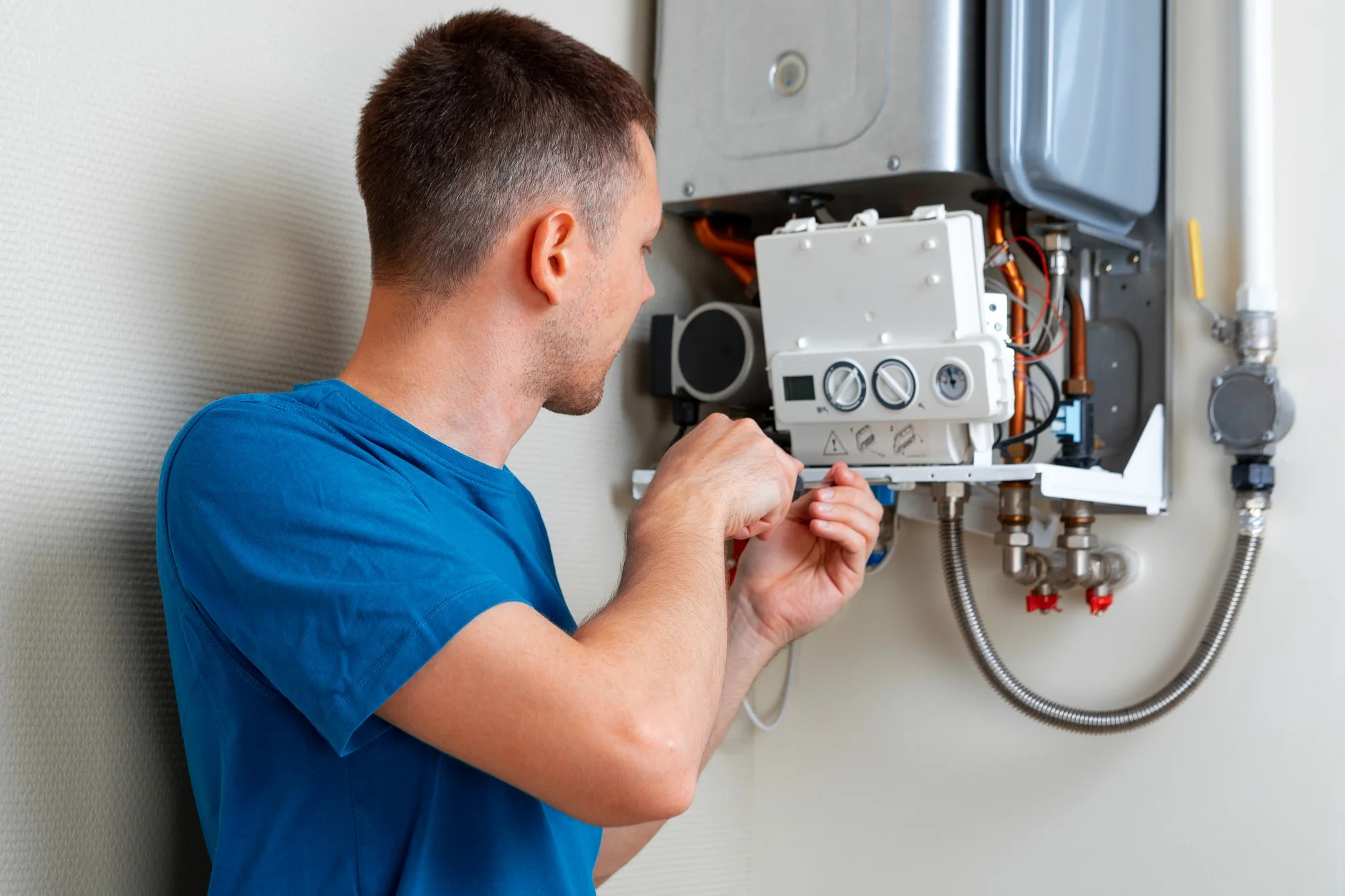
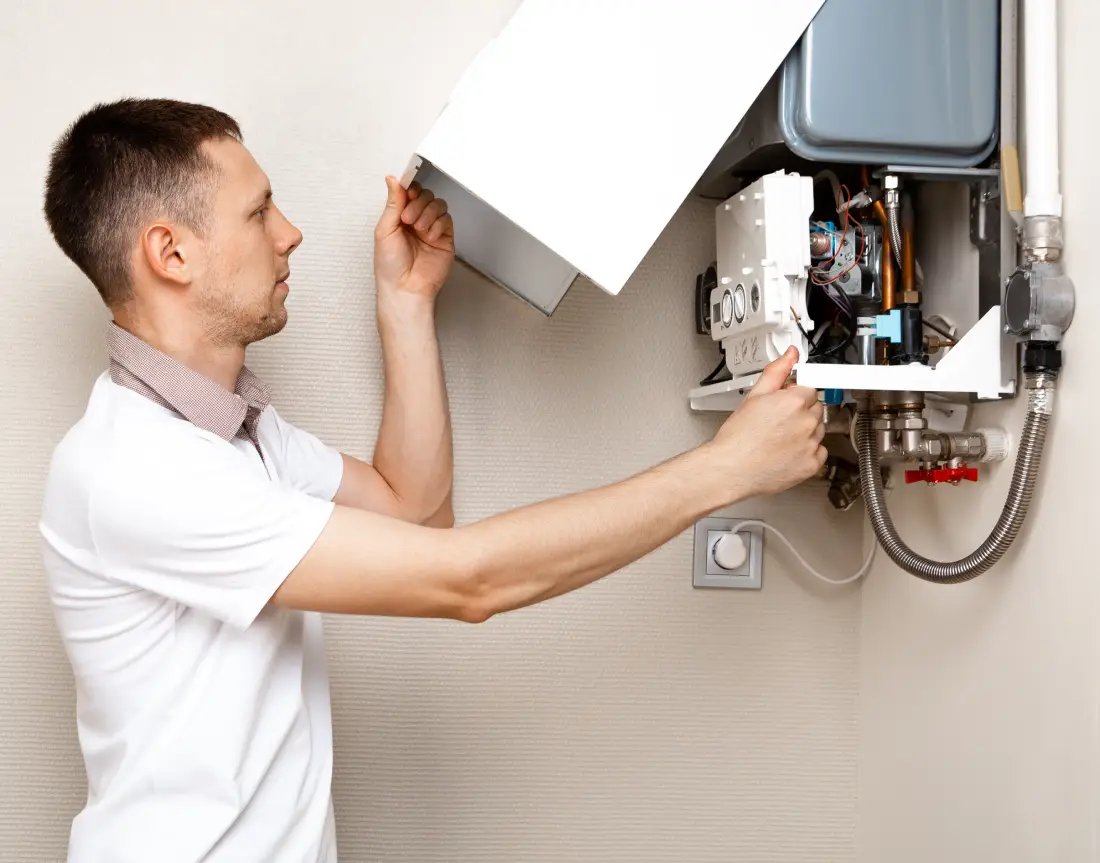
When homeowners start researching the cost of a new boiler, it is easy to focus on the appliance itself. However, the boiler is only one part of a complete heating system. The condition and layout of the existing system can influence how straightforward the installation will be and what additional work may be required.
This is why two properties with apparently similar boilers can receive very different quotations. Pipework, radiators, controls, flue arrangements and the type of existing hot water system can all affect the overall project.
Understanding these factors can make it easier to compare quotations and see why a particular installation has been priced in a certain way.
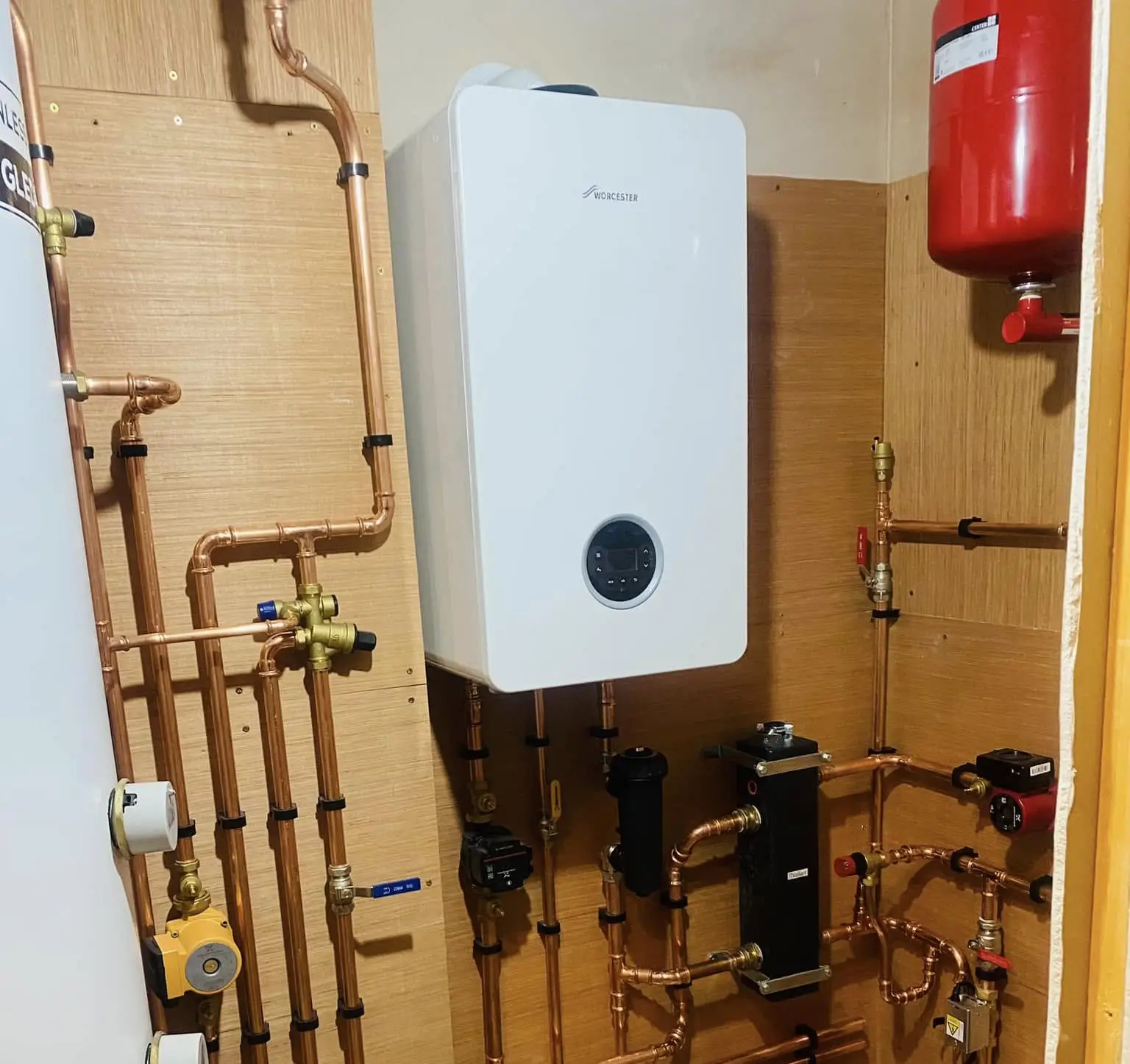
What actually makes up the cost of a new boiler installation?
The final price usually reflects more than the boiler appliance. It can include labour, materials, associated components and any changes needed to connect the new appliance safely and effectively.
Typical factors include:
- The boiler model and output
- The type of boiler being installed
- Labour and installation time
- Flue requirements
- Pipework alterations
- Heating controls
- Filters and valves
- Condensate drainage
- System cleaning
- Removal of the existing boiler
- Changes required to accommodate a different boiler type
The exact combination will depend on the property. A straightforward replacement in the same position may require relatively little alteration, while changing the layout or boiler type can involve considerably more work.
This is one reason it is useful to have the system assessed before relying on a headline appliance price when considering the new boiler cost in Greenock.
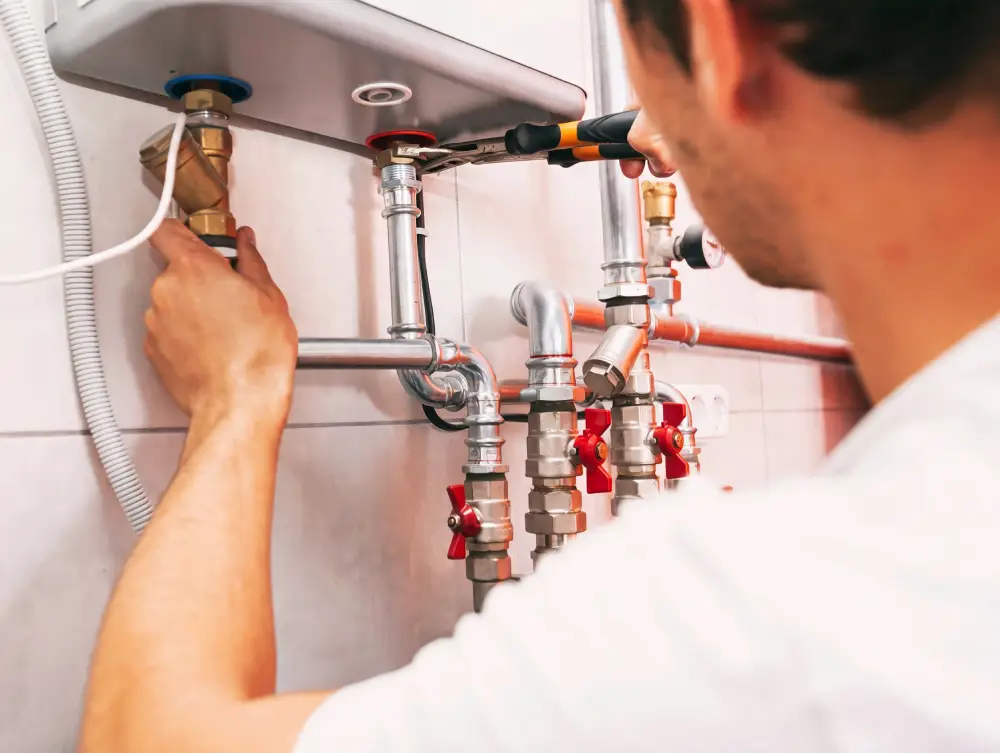
Can existing pipework affect the price?
Yes. Existing pipework can influence both the complexity and materials required for a boiler replacement.
Older heating systems may contain pipework that has been installed in stages over many years. There may also be sections affected by corrosion, sludge or previous alterations.
In some cases, the existing pipework can be retained. In others, an installer may recommend replacing or modifying certain sections to ensure appropriate flow, connection and reliability.
The important point is that pipework should be assessed rather than automatically replaced.
A professional installer can determine whether the current arrangement is suitable for the proposed boiler and identify any sections that could create problems if left unchanged.
Do radiators affect the price of a new boiler?
They can, although replacing a boiler does not automatically mean replacing every radiator.
Radiators transfer heat from the circulating water into the rooms, so their condition and suitability form part of the wider heating system. A radiator that is badly corroded, damaged or incorrectly sized may need attention during a wider upgrade.
There may also be situations where homeowners choose to replace selected radiators because they want to improve heat distribution or update the appearance of individual rooms.
Before adding radiator replacement to a project, an installer can check:
- Whether each radiator heats evenly
- Whether the radiator is correctly sized for the room
- Whether there are signs of corrosion
- Whether valves are functioning correctly
- Whether there is evidence of sludge or restricted circulation
This helps distinguish necessary work from optional improvements.
How can heating controls change installation requirements?
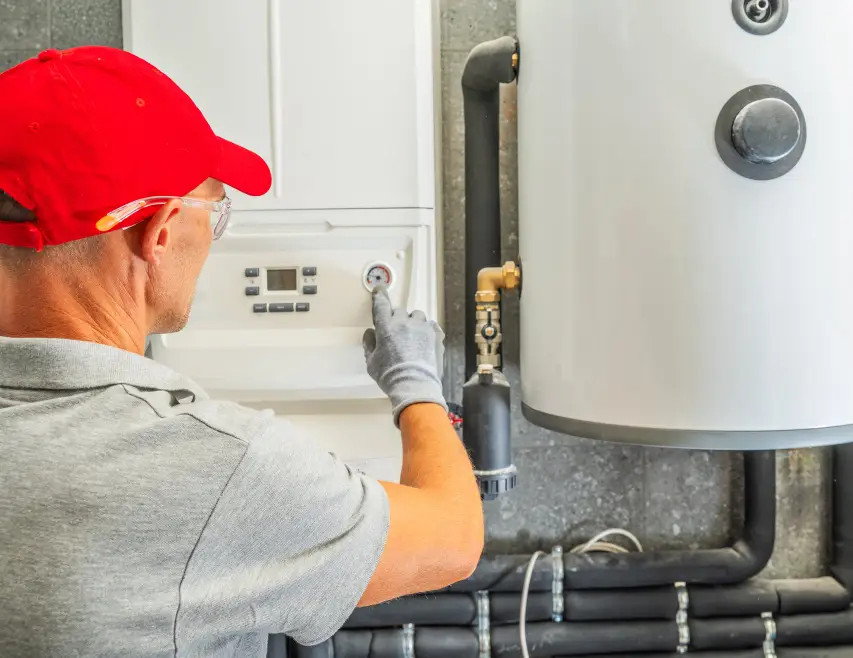
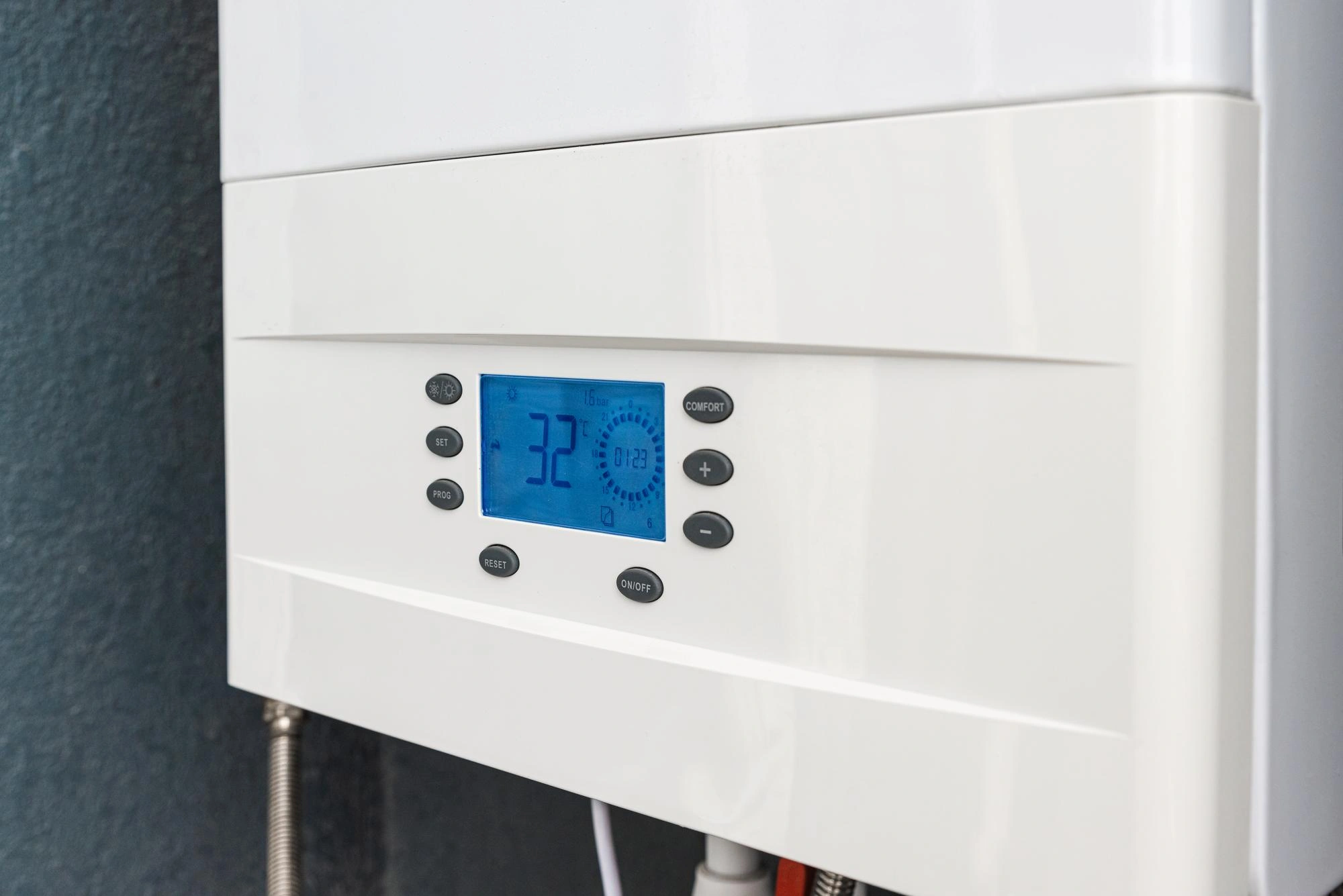
Heating controls can be another factor to consider. A modern boiler may be capable of working with more advanced control arrangements than an older appliance.
Depending on the existing setup, installation could involve replacing an old thermostat, programmer or control system. The changes may be relatively simple, but they still need to be considered when calculating the overall project.
Better control can also make the heating system easier to manage. For example, thermostatic radiator valves allow individual rooms to be adjusted, while a suitable room thermostat can help regulate the overall heating demand.
When reviewing boiler installation costs, it is therefore worth checking whether the quotation includes the required controls rather than comparing boiler prices alone.
See how much you could save
Which fuel powers your boiler?
Mains Gas
LPG
It just takes 60 Seconds
And then you can book a free consultation
Does the type of boiler affect installation costs?
Yes. Different boiler types have different requirements, and changing from one type to another can involve additional work.
A combi boiler produces hot water when there is a demand from a tap or shower and generally does not require a separate hot water cylinder.
A system boiler works with a hot water cylinder, while a regular boiler usually forms part of a system involving a hot water cylinder and cold water storage.
Changing boiler type can therefore affect more than the appliance position. It may involve changes to pipework, cylinders, controls or other components.
For example, replacing an old regular boiler with a combi boiler may allow certain components to be removed, but whether that is practical depends on the property’s water pressure, hot water demand, pipework and available space.
Could the boiler location affect the final price?
It can. Installing a replacement boiler in the same location may be relatively straightforward, but moving the appliance can introduce additional requirements.
A different position may mean extending or rerouting pipework, changing the flue arrangement, creating new drainage connections or carrying out additional building work.
The proposed location must also meet the relevant installation and safety requirements.
This is why an installer normally needs to assess the property rather than providing a fully accurate figure based only on a telephone conversation or an appliance model.
If moving the boiler is being considered, ask the installer what additional work would be involved and whether there are alternative locations that would reduce complexity.
What role does the flue play in the price?
The flue carries combustion gases safely away from the boiler. Its route and configuration need to be suitable for the replacement appliance.
If the new boiler is being installed in the same position, the existing arrangement may sometimes be usable, subject to the relevant checks. However, a change of boiler location or appliance type can require a different flue arrangement.
Factors such as the route, length, terminals and access can influence the installation work.
The flue is a safety-critical component, so it should never be treated as an optional part of the installation simply because it may not be prominent in a quotation.
Can system cleaning add to boiler installation costs?
It can, particularly where an existing heating system contains sludge or debris.
Over time, corrosion products can build up within radiators and pipework. This material can affect circulation and may place additional strain on components.
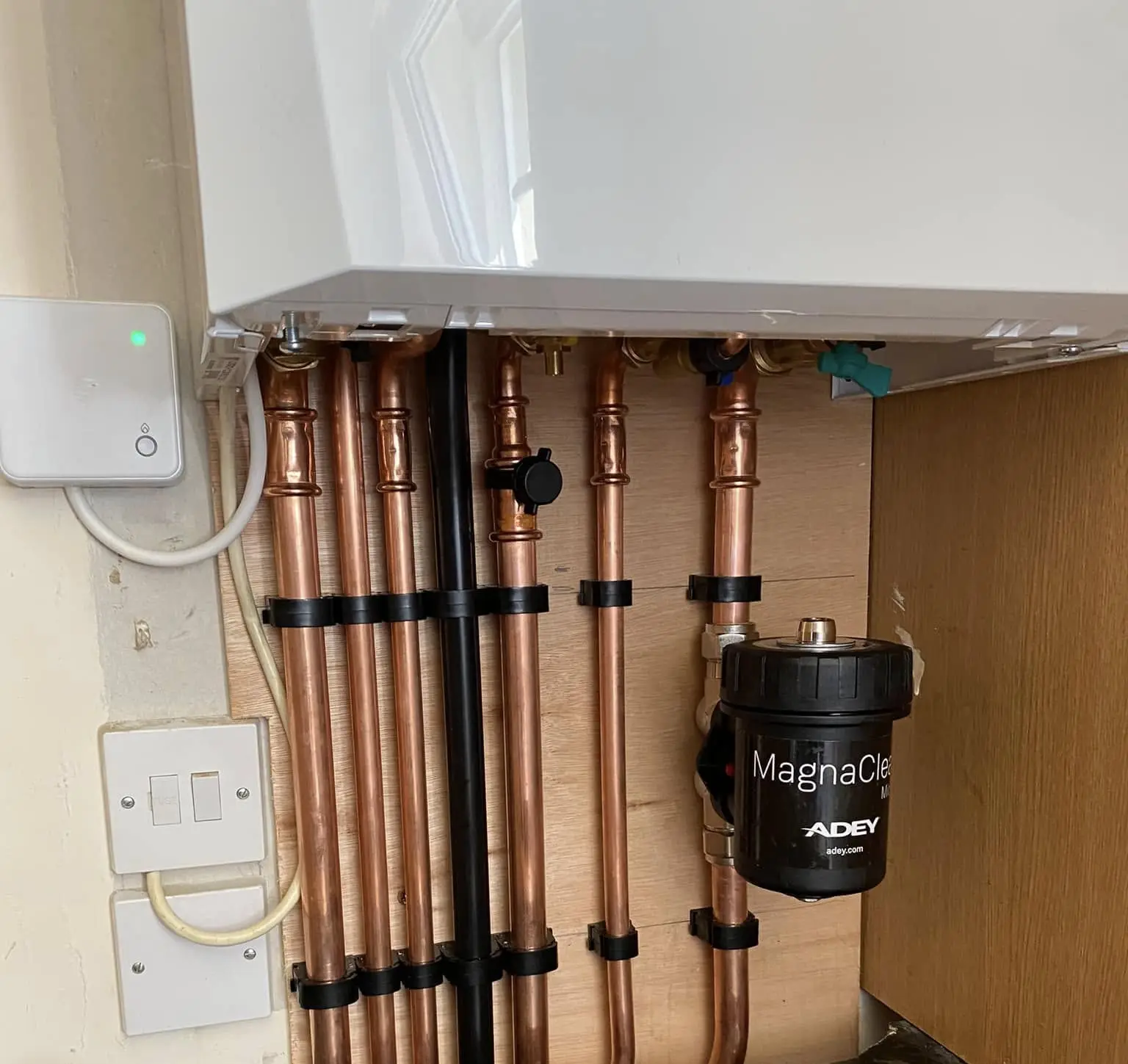
Depending on the condition of the system, an installer may recommend cleaning before or as part of the boiler replacement. A magnetic filter may also be considered to help capture circulating debris.
Cleaning requirements vary considerably between properties. A system with evidence of contamination may require more attention than one that has been maintained regularly.
Including this work in the installation plan can help protect the new boiler and support the performance of the wider heating system.
What should a boiler quotation include?
A useful quotation should make it reasonably clear what is being supplied and what work is included.
When comparing quotations, look for information about:
| Item | What to check |
| Boiler | Manufacturer, model and output |
| Labour | Whether installation labour is included |
| Flue | Whether the required flue components are included |
| Controls | Thermostat, programmer or other controls |
| Pipework | Any alterations or replacement sections |
| Filter | Whether a filter is included or recommended |
| System cleaning | Whether cleaning is required and included |
| Removal | Disposal of the existing boiler |
| Warranty | What cover applies to the appliance and installation |
| Additional work | Any assumptions or exclusions |
This can make comparisons much more meaningful than looking at the advertised boiler price alone.
If you are comparing boiler installation costs, ask each company to explain any differences between the quotations. A higher figure may reflect additional work that another quotation has not included.
Why can two similar homes receive different quotes?
Every heating system has its own history. One property may have modern pipework, accessible connections and suitable controls, while another may have older components that need modification.
Property layout also matters. Access to the boiler, distance to the flue terminal, condensate drainage and the position of heating components can all affect the installation process.
For example, two three-bedroom homes may have completely different heating layouts. One could have a relatively modern combi boiler in an accessible cupboard, while the other may have an older conventional system with a cylinder and storage tank.
The replacement requirements would therefore be different even if both homeowners were looking for similar heating capacity.
How can homeowners avoid unexpected costs?
The best way to reduce surprises is to understand what has been assessed before agreeing to the installation.
Ask whether the quotation has taken account of:
- Existing pipework
- Radiators and valves
- Heating controls
- Boiler location
- Flue requirements
- Condensate drainage
- System condition
- Hot water arrangements
- Removal and disposal
- Any required system cleaning
It is also worth asking which elements are essential and which are optional improvements.
A clear conversation before installation can help homeowners understand the scope of the work and avoid comparing quotations that are based on different assumptions.
Related articles
Mains Gas
LPG
At a glance
When homeowners start researching the cost of a new boiler, it is easy to focus on the appliance itself. However, the boiler is only one part of a complete heating system. The condition and layout of the existing system can influence how straightforward the installation will be and what additional work may be required.
This is why two properties with apparently similar boilers can receive very different quotations. Pipework, radiators, controls, flue arrangements and the type of existing hot water system can all affect the overall project.
Understanding these factors can make it easier to compare quotations and see why a particular installation has been priced in a certain way.
What actually makes up the cost of a new boiler installation?
The final price usually reflects more than the boiler appliance. It can include labour, materials, associated components and any changes needed to connect the new appliance safely and effectively.
Typical factors include:
- The boiler model and output
- The type of boiler being installed
- Labour and installation time
- Flue requirements
- Pipework alterations
- Heating controls
- Filters and valves
- Condensate drainage
- System cleaning
- Removal of the existing boiler
- Changes required to accommodate a different boiler type
The exact combination will depend on the property. A straightforward replacement in the same position may require relatively little alteration, while changing the layout or boiler type can involve considerably more work.
This is one reason it is useful to have the system assessed before relying on a headline appliance price when considering the new boiler cost in Greenock.
Can existing pipework affect the price?
Yes. Existing pipework can influence both the complexity and materials required for a boiler replacement.
Older heating systems may contain pipework that has been installed in stages over many years. There may also be sections affected by corrosion, sludge or previous alterations.
In some cases, the existing pipework can be retained. In others, an installer may recommend replacing or modifying certain sections to ensure appropriate flow, connection and reliability.
The important point is that pipework should be assessed rather than automatically replaced.
A professional installer can determine whether the current arrangement is suitable for the proposed boiler and identify any sections that could create problems if left unchanged.
Do radiators affect the price of a new boiler?
They can, although replacing a boiler does not automatically mean replacing every radiator.
Radiators transfer heat from the circulating water into the rooms, so their condition and suitability form part of the wider heating system. A radiator that is badly corroded, damaged or incorrectly sized may need attention during a wider upgrade.
There may also be situations where homeowners choose to replace selected radiators because they want to improve heat distribution or update the appearance of individual rooms.
Before adding radiator replacement to a project, an installer can check:
- Whether each radiator heats evenly
- Whether the radiator is correctly sized for the room
- Whether there are signs of corrosion
- Whether valves are functioning correctly
- Whether there is evidence of sludge or restricted circulation
This helps distinguish necessary work from optional improvements.
How can heating controls change installation requirements?
Heating controls can be another factor to consider. A modern boiler may be capable of working with more advanced control arrangements than an older appliance.
Depending on the existing setup, installation could involve replacing an old thermostat, programmer or control system. The changes may be relatively simple, but they still need to be considered when calculating the overall project.
Better control can also make the heating system easier to manage. For example, thermostatic radiator valves allow individual rooms to be adjusted, while a suitable room thermostat can help regulate the overall heating demand.
When reviewing boiler installation costs, it is therefore worth checking whether the quotation includes the required controls rather than comparing boiler prices alone.
See how much you could save
Which fuel powers your boiler?
Mains Gas
LPG
It just takes 60 Seconds
And then you can book a free consultation
Does the type of boiler affect installation costs?
Yes. Different boiler types have different requirements, and changing from one type to another can involve additional work.
A combi boiler produces hot water when there is a demand from a tap or shower and generally does not require a separate hot water cylinder.
A system boiler works with a hot water cylinder, while a regular boiler usually forms part of a system involving a hot water cylinder and cold water storage.
Changing boiler type can therefore affect more than the appliance position. It may involve changes to pipework, cylinders, controls or other components.
For example, replacing an old regular boiler with a combi boiler may allow certain components to be removed, but whether that is practical depends on the property’s water pressure, hot water demand, pipework and available space.
Could the boiler location affect the final price?
It can. Installing a replacement boiler in the same location may be relatively straightforward, but moving the appliance can introduce additional requirements.
A different position may mean extending or rerouting pipework, changing the flue arrangement, creating new drainage connections or carrying out additional building work.
The proposed location must also meet the relevant installation and safety requirements.
This is why an installer normally needs to assess the property rather than providing a fully accurate figure based only on a telephone conversation or an appliance model.
If moving the boiler is being considered, ask the installer what additional work would be involved and whether there are alternative locations that would reduce complexity.
What role does the flue play in the price?
The flue carries combustion gases safely away from the boiler. Its route and configuration need to be suitable for the replacement appliance.
If the new boiler is being installed in the same position, the existing arrangement may sometimes be usable, subject to the relevant checks. However, a change of boiler location or appliance type can require a different flue arrangement.
Factors such as the route, length, terminals and access can influence the installation work.
The flue is a safety-critical component, so it should never be treated as an optional part of the installation simply because it may not be prominent in a quotation.
Can system cleaning add to boiler installation costs?
It can, particularly where an existing heating system contains sludge or debris.
Over time, corrosion products can build up within radiators and pipework. This material can affect circulation and may place additional strain on components.
Depending on the condition of the system, an installer may recommend cleaning before or as part of the boiler replacement. A magnetic filter may also be considered to help capture circulating debris.
Cleaning requirements vary considerably between properties. A system with evidence of contamination may require more attention than one that has been maintained regularly.
Including this work in the installation plan can help protect the new boiler and support the performance of the wider heating system.
What should a boiler quotation include?
A useful quotation should make it reasonably clear what is being supplied and what work is included.
When comparing quotations, look for information about:
| Item | What to check |
| Boiler | Manufacturer, model and output |
| Labour | Whether installation labour is included |
| Flue | Whether the required flue components are included |
| Controls | Thermostat, programmer or other controls |
| Pipework | Any alterations or replacement sections |
| Filter | Whether a filter is included or recommended |
| System cleaning | Whether cleaning is required and included |
| Removal | Disposal of the existing boiler |
| Warranty | What cover applies to the appliance and installation |
| Additional work | Any assumptions or exclusions |
This can make comparisons much more meaningful than looking at the advertised boiler price alone.
If you are comparing boiler installation costs, ask each company to explain any differences between the quotations. A higher figure may reflect additional work that another quotation has not included.
Why can two similar homes receive different quotes?
Every heating system has its own history. One property may have modern pipework, accessible connections and suitable controls, while another may have older components that need modification.
Property layout also matters. Access to the boiler, distance to the flue terminal, condensate drainage and the position of heating components can all affect the installation process.
For example, two three-bedroom homes may have completely different heating layouts. One could have a relatively modern combi boiler in an accessible cupboard, while the other may have an older conventional system with a cylinder and storage tank.
The replacement requirements would therefore be different even if both homeowners were looking for similar heating capacity.
How can homeowners avoid unexpected costs?
The best way to reduce surprises is to understand what has been assessed before agreeing to the installation.
Ask whether the quotation has taken account of:
- Existing pipework
- Radiators and valves
- Heating controls
- Boiler location
- Flue requirements
- Condensate drainage
- System condition
- Hot water arrangements
- Removal and disposal
- Any required system cleaning
It is also worth asking which elements are essential and which are optional improvements.
A clear conversation before installation can help homeowners understand the scope of the work and avoid comparing quotations that are based on different assumptions.


