
Gas Boiler Installation Greenock: What Should Be Checked Around the Existing Heating System?
Replacing a gas boiler is more than removing one appliance and connecting another. The new boiler has to work safely and effectively with the existing heating system, including its pipework, radiators, controls, flue and hot water arrangements.

Why you can trust our content
We understand that the boiler industry can be confusing, with plenty of outdated or misleading information. That’s why we rely only on trusted, proven sources to guide our advice and installations:

At a glance
This is particularly important where an older boiler is being replaced. Heating systems can be altered over many years, meaning the current setup may contain a mixture of newer and older components.
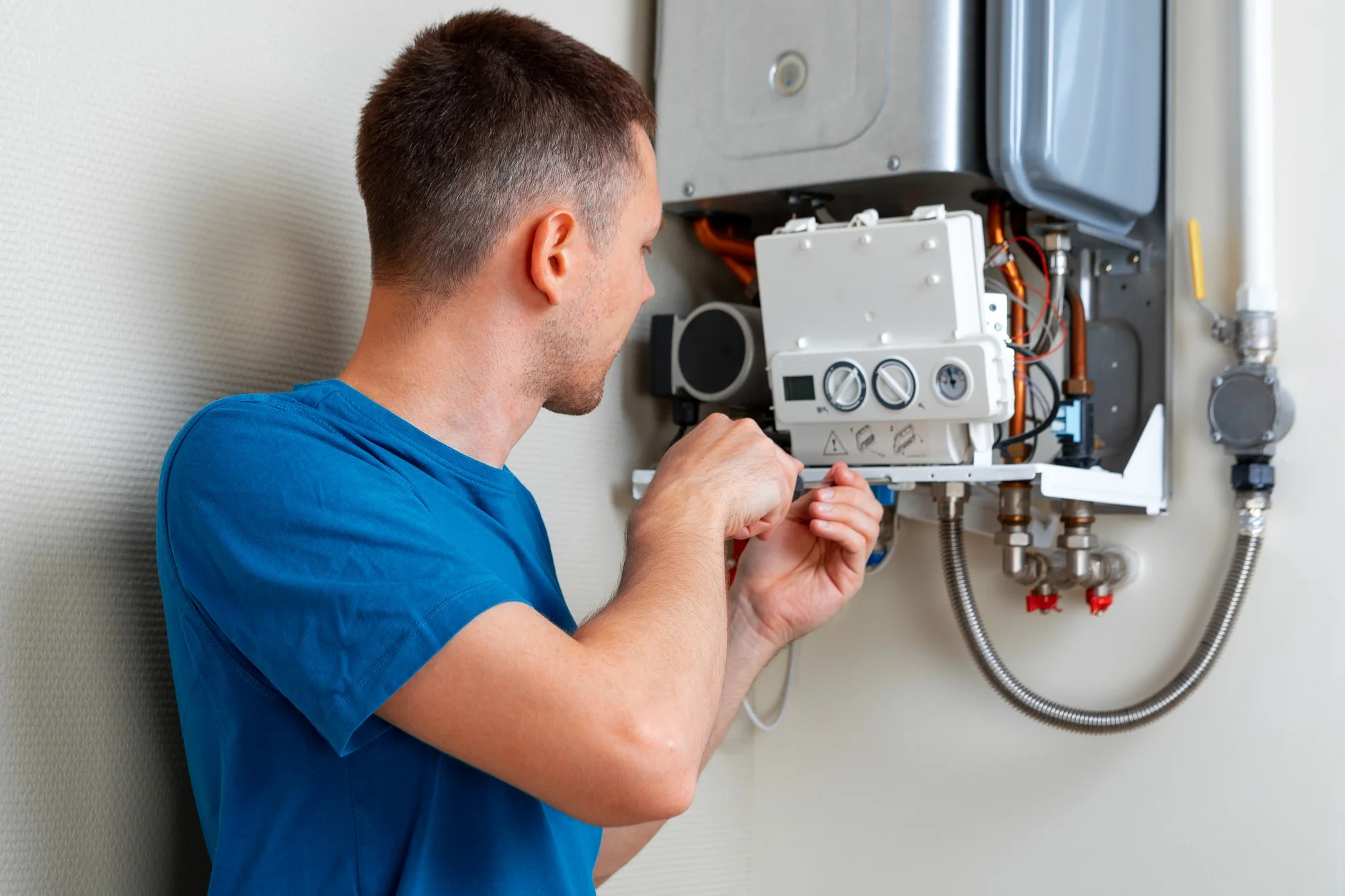
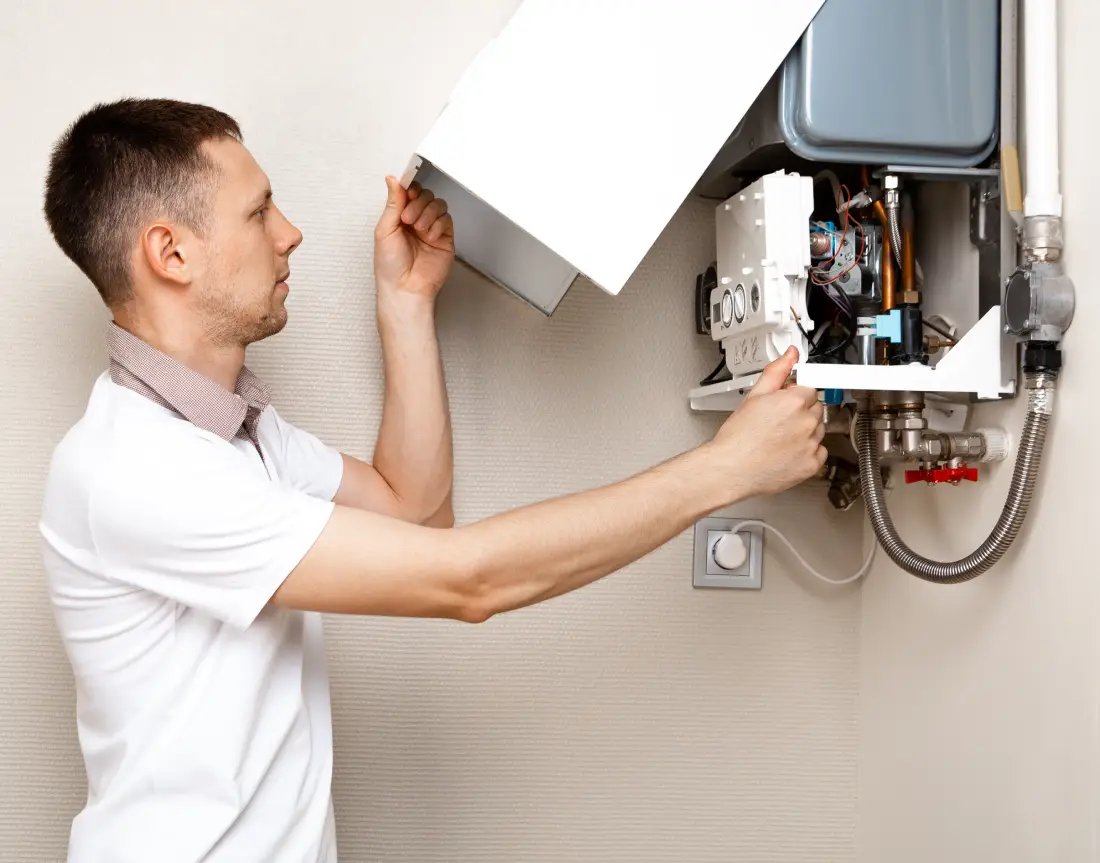
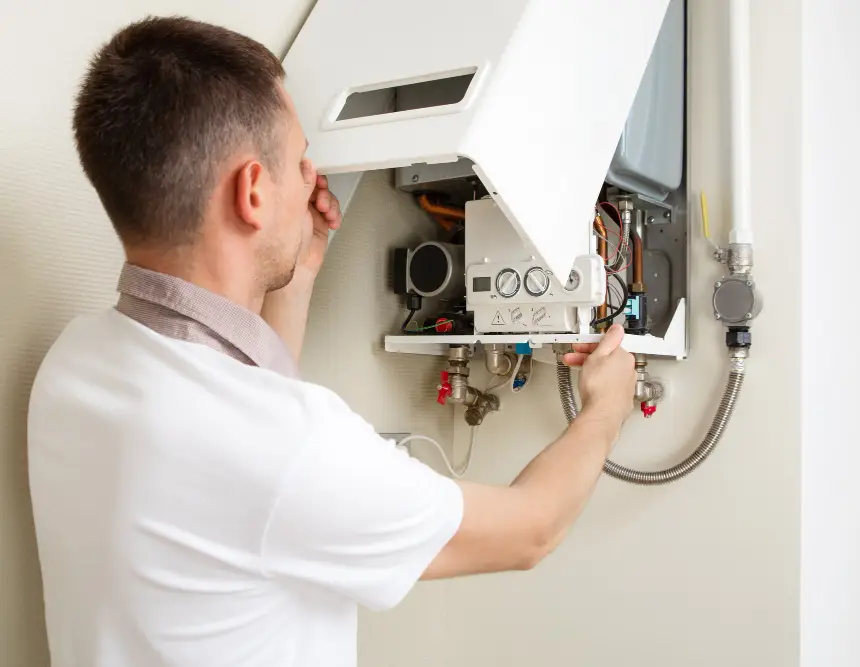
Before arranging gas boiler installation in Greenock, it is worth understanding what an installer should assess. A proper survey can identify potential issues early and make the scope of the work clearer.
Why should the existing heating system be checked first?
A replacement boiler needs to be compatible with the way the property’s heating system operates. If the wider system has restrictions, damaged components or unsuitable controls, simply installing a new appliance may not resolve existing performance problems.
A pre-installation assessment can help establish:
- How the current boiler is connected
- What type of heating system is installed
- Whether the pipework is suitable
- Whether radiators are performing correctly
- Whether controls are appropriate
- How hot water is currently produced
- Where the replacement boiler could be positioned
- Whether the flue arrangement is suitable
- Whether drainage and other connections are appropriate
The purpose is not necessarily to replace everything. In many homes, much of the existing system can remain in place.
The important thing is to identify which components are suitable and which may require attention.
What should be checked in the existing pipework?
Pipework is responsible for moving heating water around the property and connecting the boiler to the wider system.
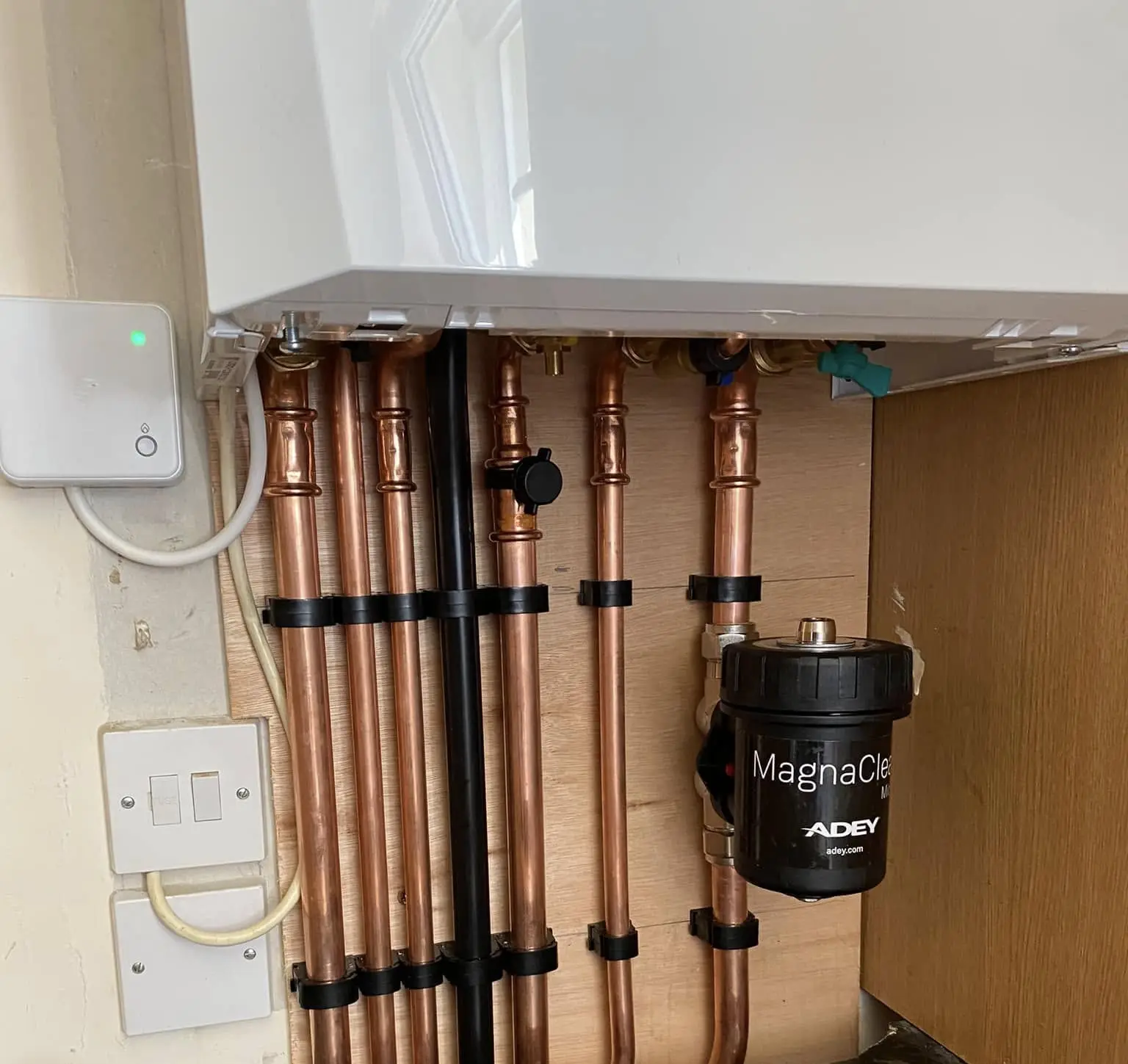
An installer may consider its condition, size, routing and connections. Older systems can contain sections of pipework that have been modified over time, while corrosion or debris may affect circulation.
Possible issues include:
- Restricted flow
- Corrosion
- Leaking joints
- Poorly positioned pipework
- Sections that need adapting to suit the replacement boiler
- Pipework that requires cleaning or replacement
Existing pipework does not automatically need to be replaced. If it is suitable and in good condition, it may be retained.
However, where modifications are needed, identifying them before the installation begins can help avoid unexpected changes during the work.
See how much you could save
Which fuel powers your boiler?
Mains Gas
LPG
It just takes 60 Seconds
And then you can book a free consultation
Do the radiators need to be checked before installation?
Yes. Radiators are an important part of the heating circuit because they transfer heat from the circulating water into the rooms.
A new boiler cannot overcome every problem caused by poorly performing radiators.
An installer may look for signs such as:
- Uneven heating
- Corrosion
- Leaking radiator valves
- Cold sections
- Radiators that appear too small for the room
- Restricted circulation
- Frequent need for bleeding
A radiator that is in good condition and correctly sized can often remain.
If only one or two radiators are underperforming, there may be a local issue rather than a problem with the entire system. Identifying this before the boiler is replaced can help ensure the new installation delivers the expected results.
How are heating controls assessed?
Controls tell the heating system when heat is required and help regulate the temperature.
Older properties may have basic controls that still operate, but they may not provide the level of control available with newer systems.
During an assessment, an installer can check whether the current controls are:
- Operating correctly
- Compatible with the proposed boiler
- Positioned appropriately
- Providing suitable control of heating demand
- In need of replacement or upgrading
The exact control arrangement will depend on the boiler and heating system.
For homeowners considering gas boiler installation in Greenock, discussing controls at the quotation stage can help clarify whether the quoted work includes replacing or retaining existing equipment.
Contact Inver-Heat to discuss your existing heating controls and boiler requirements.
What should be checked around the boiler location?
The proposed boiler position affects several parts of the installation.
The installer needs to consider the available space, access, flue route, pipework connections, condensate drainage and other requirements associated with the appliance.
If the replacement boiler is going in the same position, the work may be relatively straightforward. Moving it elsewhere can involve additional pipework and changes to the flue and drainage arrangements.
The location should also allow the appliance to be installed and maintained appropriately.
A site assessment can therefore help establish whether the preferred position is practical before the installation date.
Why does the flue need particular attention?
The flue safely carries combustion products away from the boiler. Its configuration must be suitable for the replacement appliance and comply with applicable installation requirements.
When replacing an existing gas boiler, the installer should assess the current flue arrangement rather than assuming it can simply be reused.
This may include considering:
- The flue route
- Terminal position
- Connections
- Access
- The requirements of the replacement appliance
If the boiler is being relocated, the flue arrangement may need to change substantially.
Because the flue is directly connected to the safe operation of the appliance, it should be considered as part of the overall installation rather than treated as a minor detail.
What about the condensate pipe?
Modern condensing boilers produce condensate as part of their normal operation. This water needs to be safely discharged through an appropriate drainage arrangement.
When replacing an older appliance, the existing condensate setup may need to be assessed or newly installed.
The installer will need to consider the route, connection and protection of the pipework where relevant.
This is another reason a physical assessment can be valuable. A quotation based solely on the boiler model may not account for the practical requirements of connecting the new appliance to the property.
Does the hot water system need to be checked?
Yes. The checks will depend on the type of boiler currently installed and the replacement being considered.
A combi boiler heats domestic hot water directly from the mains supply. A system boiler normally works with a hot water cylinder, while a regular boiler is generally part of a system that also includes stored hot water and cold water storage.
Changing boiler type can therefore affect the wider installation.
For example, moving from a regular boiler to a combi may remove the need for a cylinder, but the property’s water pressure, flow rate and household demand should be considered before making that change.
What should a professional installer look for?
A suitable assessment should consider the complete heating arrangement rather than focusing exclusively on the boiler.
| Area | What may be assessed |
| Boiler | Condition, type and output requirements |
| Pipework | Size, condition and suitability |
| Radiators | Performance, condition and sizing |
| Controls | Operation and compatibility |
| Flue | Route and suitability |
| Condensate | Drainage and connection |
| Hot water | Current arrangement and demand |
| Location | Space, access and connections |
| Heating circuit | Circulation and system condition |
| Safety | Relevant installation and operating requirements |
The exact checks will vary according to the property and proposed installation.
A professional gas boiler installation company should be able to explain why particular work has been recommended rather than simply presenting a list of additional components.
Can existing components usually be retained?
Often, yes. Boiler replacement does not automatically mean replacing every part of the heating system.
Existing radiators, sections of pipework, controls and other components may be perfectly suitable.
However, retaining them should be based on their condition and compatibility with the new installation.
For example, an old thermostat may still function but may not provide suitable control for the new system. Similarly, a radiator can look fine externally but still have restricted circulation caused by internal deposits.
The aim should be to establish what the property actually needs.
What should you ask before choosing an installer?
Before agreeing to the work, homeowners can ask the installer how the existing system has been assessed.
Useful questions include:
- Has the current heating system been inspected?
- Will the existing radiators be suitable?
- Does any pipework need changing?
- Are the current controls compatible?
- Has the flue arrangement been assessed?
- Is condensate drainage included?
- Is system cleaning required?
- Is the existing hot water arrangement suitable?
- What is included in the quoted installation?
- Are any assumptions or exclusions listed?
Clear answers can make it easier to understand the quotation and compare different proposals.
A gas boiler installation company should be able to explain the scope of work in straightforward terms.
Speak to Inver-Heat for professional advice on your planned boiler replacement.
A typical replacement scenario
Consider a Greenock home with an older gas boiler and conventional radiators. The boiler has become unreliable, but most of the radiators are still heating effectively.
During an assessment, the installer may find that the existing pipework is suitable, while the heating controls are outdated. The boiler can potentially be replaced without changing the entire system, but upgrading the controls may improve how the new appliance is managed.
This type of assessment allows the work to focus on genuine requirements rather than replacing components simply because the boiler itself is being changed.
Related articles
Mains Gas
LPG
At a glance
This is particularly important where an older boiler is being replaced. Heating systems can be altered over many years, meaning the current setup may contain a mixture of newer and older components.
Before arranging gas boiler installation in Greenock, it is worth understanding what an installer should assess. A proper survey can identify potential issues early and make the scope of the work clearer.
Why should the existing heating system be checked first?
A replacement boiler needs to be compatible with the way the property’s heating system operates. If the wider system has restrictions, damaged components or unsuitable controls, simply installing a new appliance may not resolve existing performance problems.
A pre-installation assessment can help establish:
- How the current boiler is connected
- What type of heating system is installed
- Whether the pipework is suitable
- Whether radiators are performing correctly
- Whether controls are appropriate
- How hot water is currently produced
- Where the replacement boiler could be positioned
- Whether the flue arrangement is suitable
- Whether drainage and other connections are appropriate
The purpose is not necessarily to replace everything. In many homes, much of the existing system can remain in place.
The important thing is to identify which components are suitable and which may require attention.
What should be checked in the existing pipework?
Pipework is responsible for moving heating water around the property and connecting the boiler to the wider system.
An installer may consider its condition, size, routing and connections. Older systems can contain sections of pipework that have been modified over time, while corrosion or debris may affect circulation.
Possible issues include:
- Restricted flow
- Corrosion
- Leaking joints
- Poorly positioned pipework
- Sections that need adapting to suit the replacement boiler
- Pipework that requires cleaning or replacement
Existing pipework does not automatically need to be replaced. If it is suitable and in good condition, it may be retained.
However, where modifications are needed, identifying them before the installation begins can help avoid unexpected changes during the work.
See how much you could save
Which fuel powers your boiler?
Mains Gas
LPG
It just takes 60 Seconds
And then you can book a free consultation
Do the radiators need to be checked before installation?
Yes. Radiators are an important part of the heating circuit because they transfer heat from the circulating water into the rooms.
A new boiler cannot overcome every problem caused by poorly performing radiators.
An installer may look for signs such as:
- Uneven heating
- Corrosion
- Leaking radiator valves
- Cold sections
- Radiators that appear too small for the room
- Restricted circulation
- Frequent need for bleeding
A radiator that is in good condition and correctly sized can often remain.
If only one or two radiators are underperforming, there may be a local issue rather than a problem with the entire system. Identifying this before the boiler is replaced can help ensure the new installation delivers the expected results.
How are heating controls assessed?
Controls tell the heating system when heat is required and help regulate the temperature.
Older properties may have basic controls that still operate, but they may not provide the level of control available with newer systems.
During an assessment, an installer can check whether the current controls are:
- Operating correctly
- Compatible with the proposed boiler
- Positioned appropriately
- Providing suitable control of heating demand
- In need of replacement or upgrading
The exact control arrangement will depend on the boiler and heating system.
For homeowners considering gas boiler installation in Greenock, discussing controls at the quotation stage can help clarify whether the quoted work includes replacing or retaining existing equipment.
Contact Inver-Heat to discuss your existing heating controls and boiler requirements.
What should be checked around the boiler location?
The proposed boiler position affects several parts of the installation.
The installer needs to consider the available space, access, flue route, pipework connections, condensate drainage and other requirements associated with the appliance.
If the replacement boiler is going in the same position, the work may be relatively straightforward. Moving it elsewhere can involve additional pipework and changes to the flue and drainage arrangements.
The location should also allow the appliance to be installed and maintained appropriately.
A site assessment can therefore help establish whether the preferred position is practical before the installation date.
Why does the flue need particular attention?
The flue safely carries combustion products away from the boiler. Its configuration must be suitable for the replacement appliance and comply with applicable installation requirements.
When replacing an existing gas boiler, the installer should assess the current flue arrangement rather than assuming it can simply be reused.
This may include considering:
- The flue route
- Terminal position
- Connections
- Access
- The requirements of the replacement appliance
If the boiler is being relocated, the flue arrangement may need to change substantially.
Because the flue is directly connected to the safe operation of the appliance, it should be considered as part of the overall installation rather than treated as a minor detail.
What about the condensate pipe?
Modern condensing boilers produce condensate as part of their normal operation. This water needs to be safely discharged through an appropriate drainage arrangement.
When replacing an older appliance, the existing condensate setup may need to be assessed or newly installed.
The installer will need to consider the route, connection and protection of the pipework where relevant.
This is another reason a physical assessment can be valuable. A quotation based solely on the boiler model may not account for the practical requirements of connecting the new appliance to the property.
Does the hot water system need to be checked?
Yes. The checks will depend on the type of boiler currently installed and the replacement being considered.
A combi boiler heats domestic hot water directly from the mains supply. A system boiler normally works with a hot water cylinder, while a regular boiler is generally part of a system that also includes stored hot water and cold water storage.
Changing boiler type can therefore affect the wider installation.
For example, moving from a regular boiler to a combi may remove the need for a cylinder, but the property’s water pressure, flow rate and household demand should be considered before making that change.
What should a professional installer look for?
A suitable assessment should consider the complete heating arrangement rather than focusing exclusively on the boiler.
| Area | What may be assessed |
| Boiler | Condition, type and output requirements |
| Pipework | Size, condition and suitability |
| Radiators | Performance, condition and sizing |
| Controls | Operation and compatibility |
| Flue | Route and suitability |
| Condensate | Drainage and connection |
| Hot water | Current arrangement and demand |
| Location | Space, access and connections |
| Heating circuit | Circulation and system condition |
| Safety | Relevant installation and operating requirements |
The exact checks will vary according to the property and proposed installation.
A professional gas boiler installation company should be able to explain why particular work has been recommended rather than simply presenting a list of additional components.
Can existing components usually be retained?
Often, yes. Boiler replacement does not automatically mean replacing every part of the heating system.
Existing radiators, sections of pipework, controls and other components may be perfectly suitable.
However, retaining them should be based on their condition and compatibility with the new installation.
For example, an old thermostat may still function but may not provide suitable control for the new system. Similarly, a radiator can look fine externally but still have restricted circulation caused by internal deposits.
The aim should be to establish what the property actually needs.
What should you ask before choosing an installer?
Before agreeing to the work, homeowners can ask the installer how the existing system has been assessed.
Useful questions include:
- Has the current heating system been inspected?
- Will the existing radiators be suitable?
- Does any pipework need changing?
- Are the current controls compatible?
- Has the flue arrangement been assessed?
- Is condensate drainage included?
- Is system cleaning required?
- Is the existing hot water arrangement suitable?
- What is included in the quoted installation?
- Are any assumptions or exclusions listed?
Clear answers can make it easier to understand the quotation and compare different proposals.
A gas boiler installation company should be able to explain the scope of work in straightforward terms.
Speak to Inver-Heat for professional advice on your planned boiler replacement.
A typical replacement scenario
Consider a Greenock home with an older gas boiler and conventional radiators. The boiler has become unreliable, but most of the radiators are still heating effectively.
During an assessment, the installer may find that the existing pipework is suitable, while the heating controls are outdated. The boiler can potentially be replaced without changing the entire system, but upgrading the controls may improve how the new appliance is managed.
This type of assessment allows the work to focus on genuine requirements rather than replacing components simply because the boiler itself is being changed.


