
Boiler Installation Greenock: How Does a Boiler Work With the Rest of Your Heating System?
A boiler works alongside your radiators, pipework, valves and heating controls to keep your home warm and comfortable. Understanding how these components work together can help you identify potential issues and plan a **boiler installation in Greenock**. Before replacing your boiler, a professional assessment can help determine whether your existing heating system is suitable.

Why you can trust our content
We understand that the boiler industry can be confusing, with plenty of outdated or misleading information. That’s why we rely only on trusted, proven sources to guide our advice and installations:

At a glance
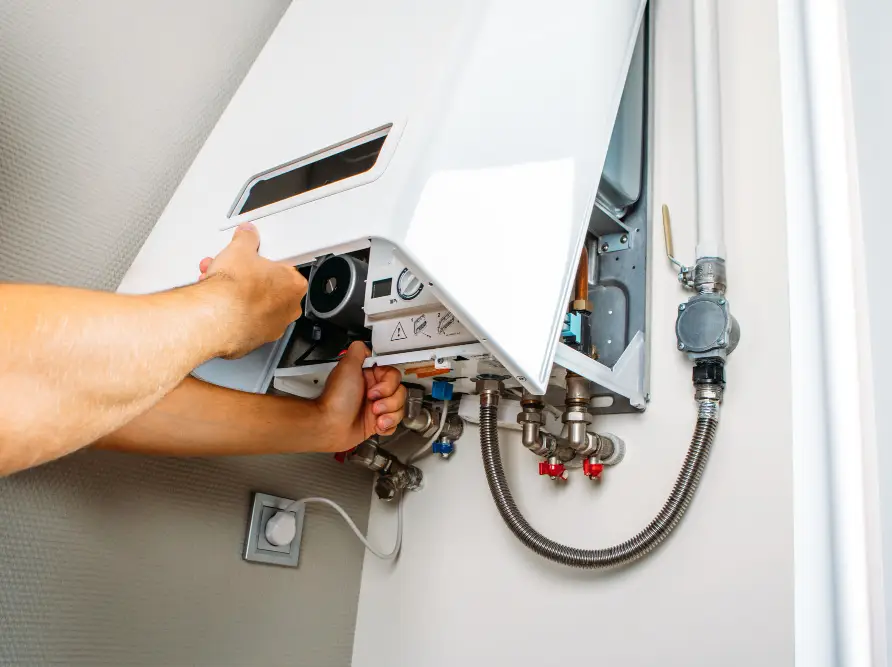
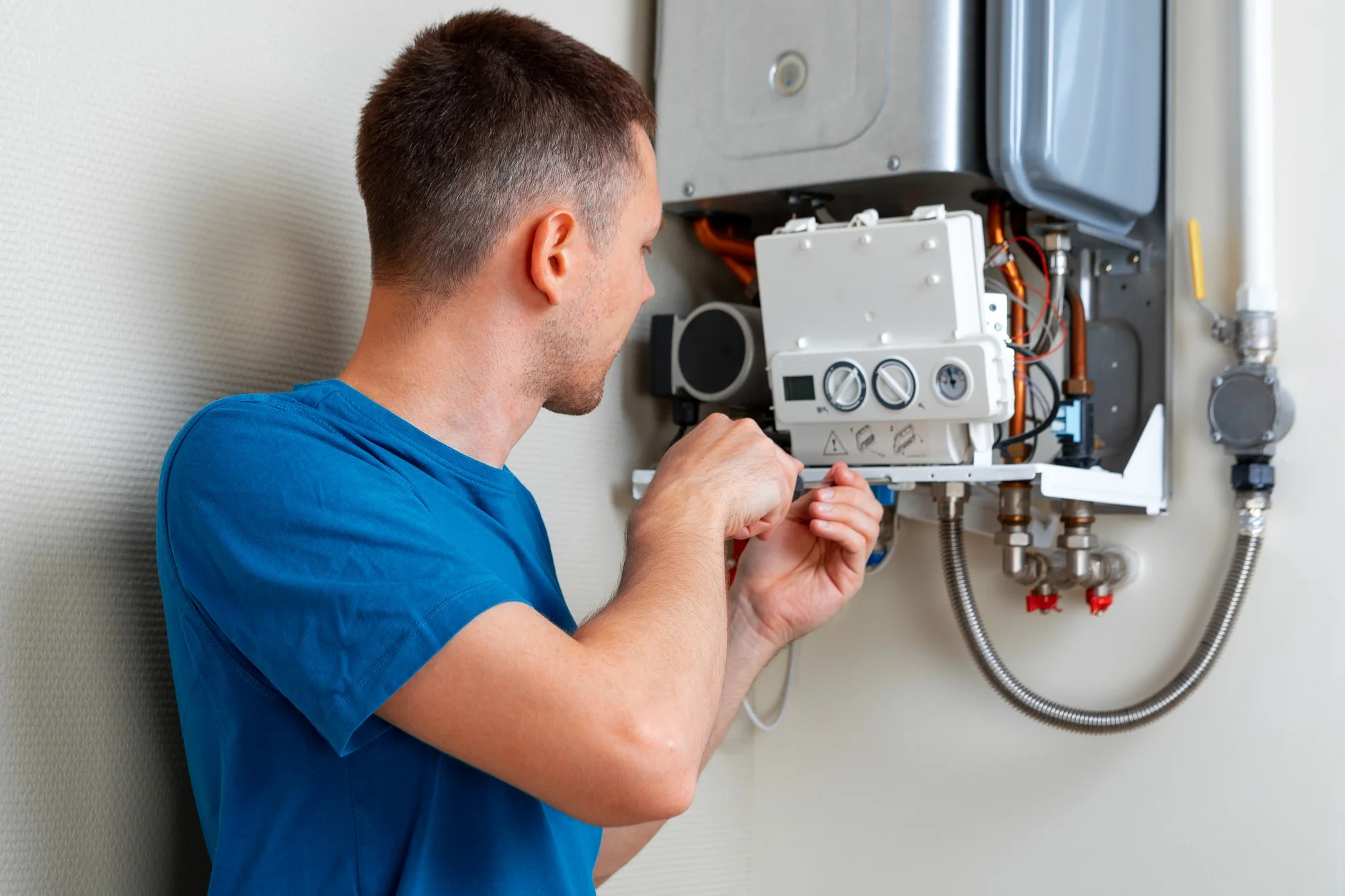
A boiler is often thought of as the heart of a home’s heating system, but it does not work on its own. It relies on a network of pipework, radiators, controls, valves and, depending on the type of boiler, a hot water system to deliver heat where it is needed.
Understanding how these parts work together can make it easier to spot potential problems, plan an upgrade and understand what is included when arranging boiler installation in Greenock. It can also help homeowners ask more useful questions before work begins.
What happens when your boiler heats your home?
A boiler heats water, which is then circulated through the heating system. In a typical central heating system, a pump moves heated water through the pipework to radiators around the property.
The basic process looks like this:
- The boiler heats water.
- A pump circulates the heated water through the heating circuit.
- Radiators transfer heat from the water into individual rooms.
- Cooler water returns through the pipework to be reheated.
- The cycle continues while there is a demand for heating.
The controls determine when the system should operate and how much heat is required. This means the performance of the boiler can be affected by other components within the system.
A correctly sized boiler connected to poorly performing radiators or restricted pipework may not deliver the results a homeowner expects. That is why a proper assessment should consider more than the appliance itself.
Which parts of a heating system work with the boiler?
Several components have important roles in distributing heat throughout a property. Their condition and compatibility can affect how effectively the system operates.
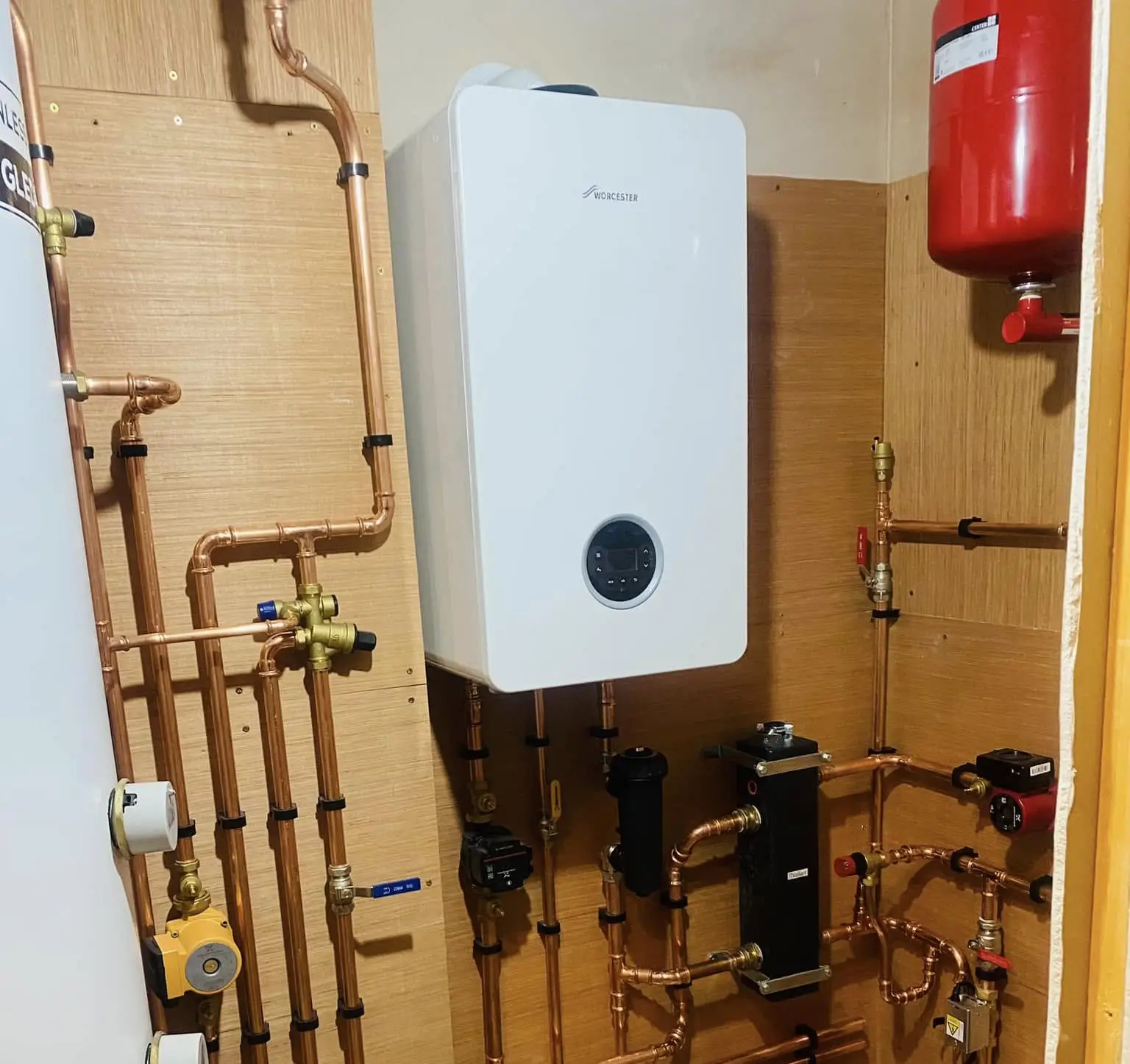
| Component | Main function | Why it matters |
| Boiler | Heats water | Provides the heat source for the system |
| Pump | Moves water around the circuit | Helps maintain circulation |
| Radiators | Release heat into rooms | Transfer heat from water to the home |
| Pipework | Carries water around the system | Affects circulation and heat distribution |
| Thermostatic radiator valves | Control individual radiators | Help regulate room temperatures |
| Room thermostat | Measures room temperature | Controls when heating is needed |
| Programmer or controller | Sets heating schedules | Determines when the system operates |
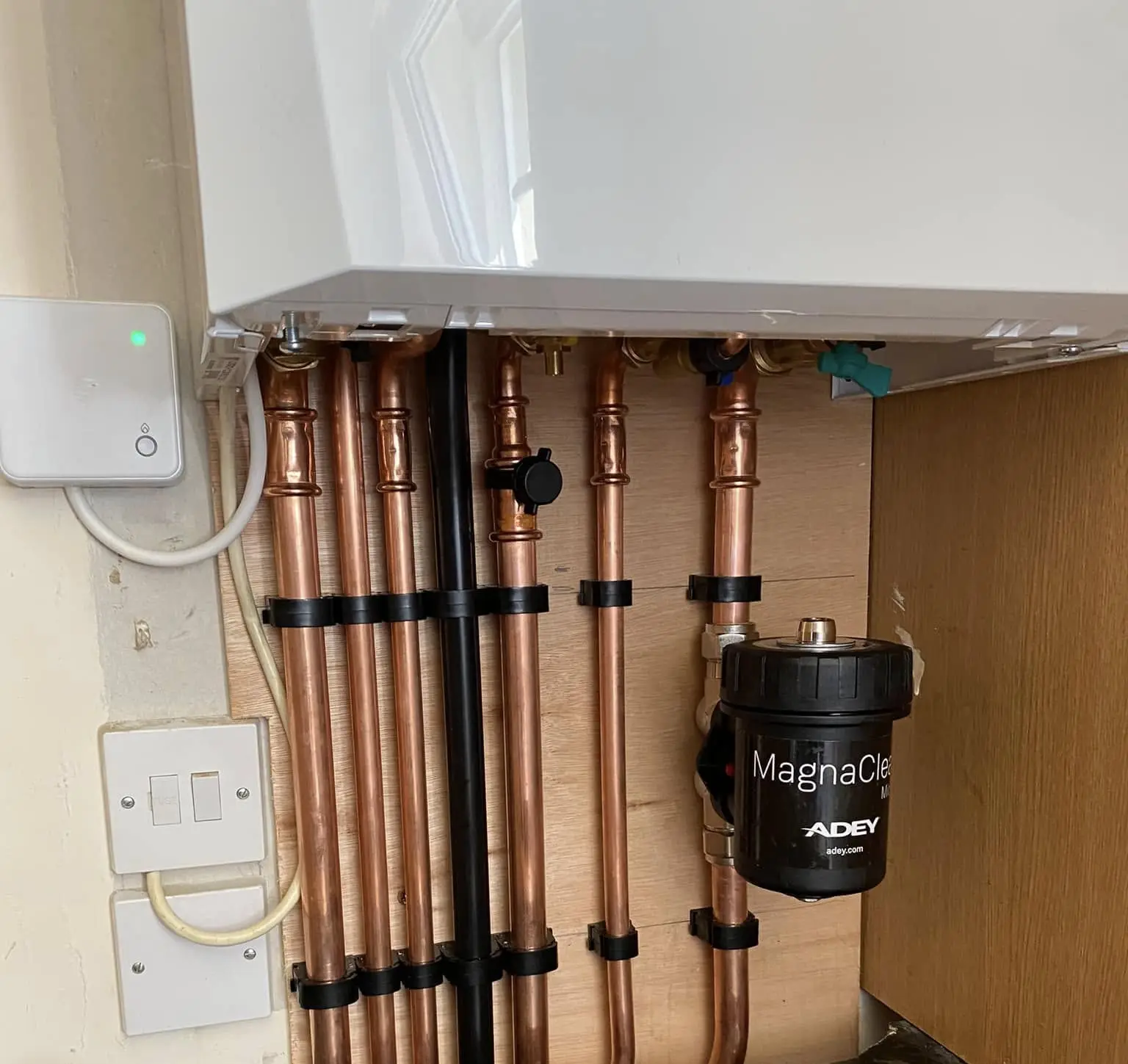
| Magnetic filter | Captures heating debris | Helps protect system components |
The exact arrangement depends on the type of boiler and heating system installed. A combi boiler, for example, handles domestic hot water differently from a system or regular boiler.
Can old pipework affect a new boiler?
Yes. Existing pipework can influence how well a replacement boiler performs, particularly where the system has been altered over many years.
Older properties may have sections of pipework that are smaller than those used in modern installations. There may also be restrictions caused by corrosion, sludge or debris inside the heating circuit.
A heating professional can assess factors such as:
- The condition and size of existing pipework
- Whether water can circulate effectively
- Signs of corrosion or leakage
- The condition of system components
- Whether the current layout is suitable for the proposed boiler
- Whether parts of the system need cleaning or modification
This does not automatically mean that all existing pipework needs replacing. In many homes, much of the existing system can remain in place if it is suitable and in reasonable condition.
A good assessment helps identify where changes are actually necessary rather than replacing components without a clear reason.
See how much you could save
Which fuel powers your boiler?
Mains Gas
LPG
It just takes 60 Seconds
And then you can book a free consultation
How do radiators affect boiler performance?
Radiators do not generate heat themselves. They release heat from the hot water circulating through them, so their size, condition and location can affect how comfortably a room heats.
A radiator that is too small for the room may struggle to provide enough heat, even if the boiler is operating correctly. Likewise, a radiator containing air or sludge may not heat evenly.
Common signs that a radiator or heating circuit needs attention include:
- Cold areas across part of the radiator
- A radiator that takes much longer to heat than others
- Unusual noises from the heating system
- Some rooms being consistently colder than others
- Radiators requiring frequent bleeding
When replacing a boiler, these issues are worth discussing with the installer. The problem may not be the boiler itself.
For homeowners arranging boiler installation in Greenock, checking the wider heating circuit can therefore be just as important as choosing the replacement appliance.
Why do heating controls matter?
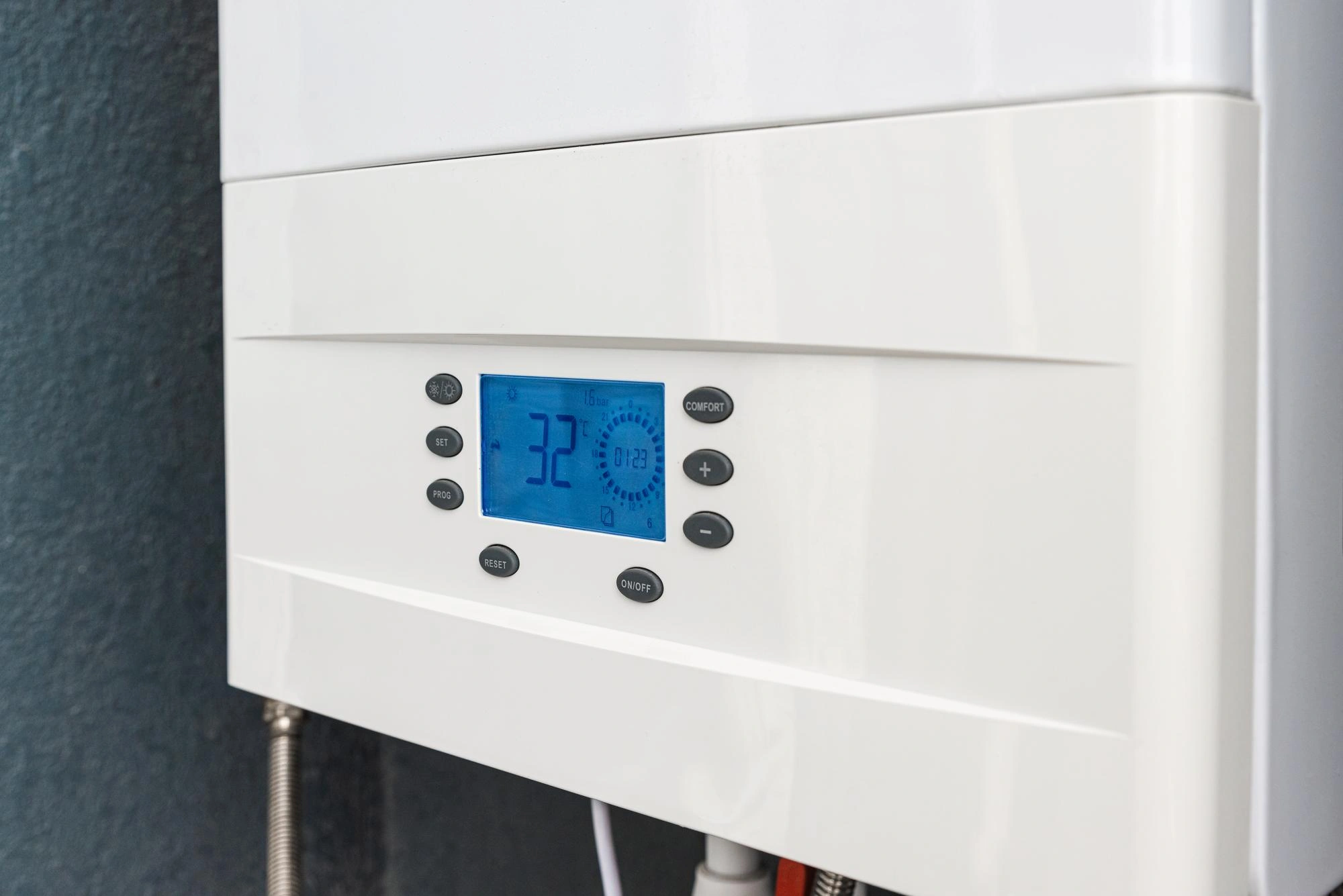
Heating controls determine when the boiler runs and how the system responds to changes in temperature.
A basic arrangement might include a room thermostat and programmer. More modern controls can provide greater flexibility, allowing heating schedules and temperatures to be adjusted more precisely.
For example, a thermostat can detect when the room has reached the desired temperature and signal that less heat is required. Thermostatic radiator valves can also help control individual rooms.
This means that upgrading a boiler without considering the controls may leave an opportunity to improve how the system is managed.
During an assessment, an installer can consider whether the existing controls are compatible with the proposed boiler and whether changes could make the system easier to operate.
Does the type of boiler change how the heating system works?
Yes. Boiler type affects how heating and hot water are produced.
A combi boiler heats water directly when a hot tap or shower creates demand. It does not normally require a separate hot water cylinder.
A system boiler works with a hot water cylinder, while a regular boiler typically works with both a hot water cylinder and a cold water storage arrangement.
This distinction matters when planning a replacement because changing boiler type can involve changes elsewhere in the property.
For example, moving from a regular boiler system to a combi boiler may involve removing redundant cylinders or storage components, but whether this is suitable depends on the property’s hot water demand, water pressure and available space.
A boiler fitter in Greenock should therefore look at the existing arrangement before recommending a particular replacement.
What should be checked before a new boiler is installed?
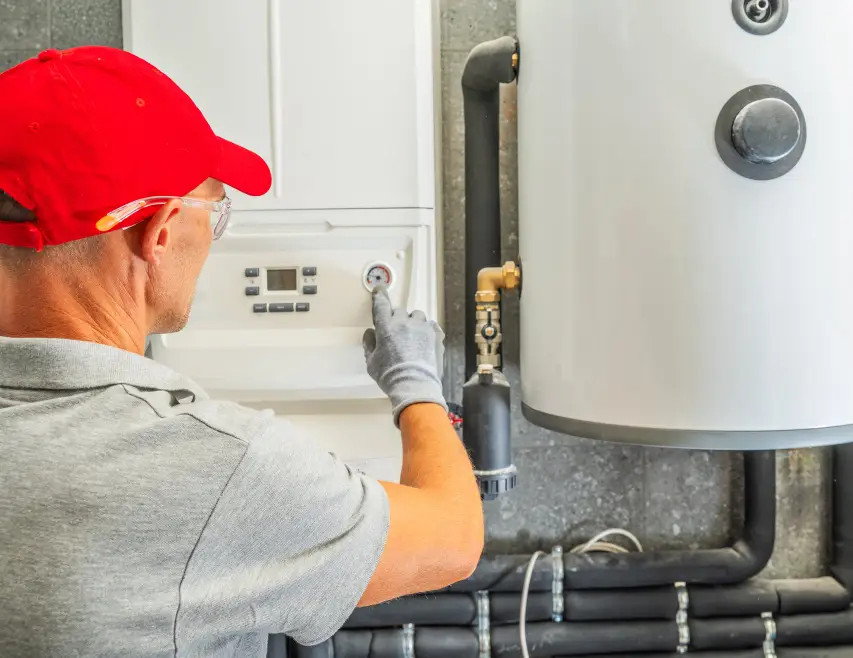
A proper pre-installation assessment should establish whether the proposed boiler is appropriate for both the property and the existing heating system.
Important checks can include:
- Boiler location and flue arrangements
- Heating and hot water requirements
- Existing pipework
- Radiator condition
- Heating controls
- System pressure
- Water pressure and flow rate
- Available ventilation where applicable
- Drainage requirements
- Existing safety and isolation arrangements
- Space required for the replacement appliance
The installer should also consider the property’s layout and how the occupants use heating and hot water.
A larger property with several bathrooms may have very different requirements from a smaller home with one bathroom. Boiler selection should reflect actual demand rather than simply replacing an old appliance with one of a similar size.
Can a new boiler work with existing radiators?
In many cases, yes. A new boiler does not automatically mean that every radiator needs replacing.
Existing radiators can often remain if they are correctly sized, in suitable condition and compatible with the heating system. However, an assessment may identify individual radiators that are underperforming, damaged or unsuitable.
Cleaning the heating circuit may also be recommended where there is evidence of sludge or debris.
This is one reason it is useful to ask what is included in a boiler replacement quotation. The appliance itself is only one part of the overall installation.
What might a typical boiler replacement involve?
Consider a typical Greenock home with an older gas boiler, conventional radiators and ageing heating controls.
The boiler may be nearing the end of its service life, while the radiators still provide reasonable heat. During an assessment, the installer might find that the existing radiators can remain but the controls would benefit from an upgrade.
The heating circuit may also need cleaning before the new boiler is commissioned. In this situation, replacing the boiler does not necessarily mean replacing the entire heating system. Instead, the installation can focus on the components that genuinely need attention.
This approach helps homeowners understand where their money is being spent and why particular work has been recommended.
How can a boiler fitter assess the whole system?
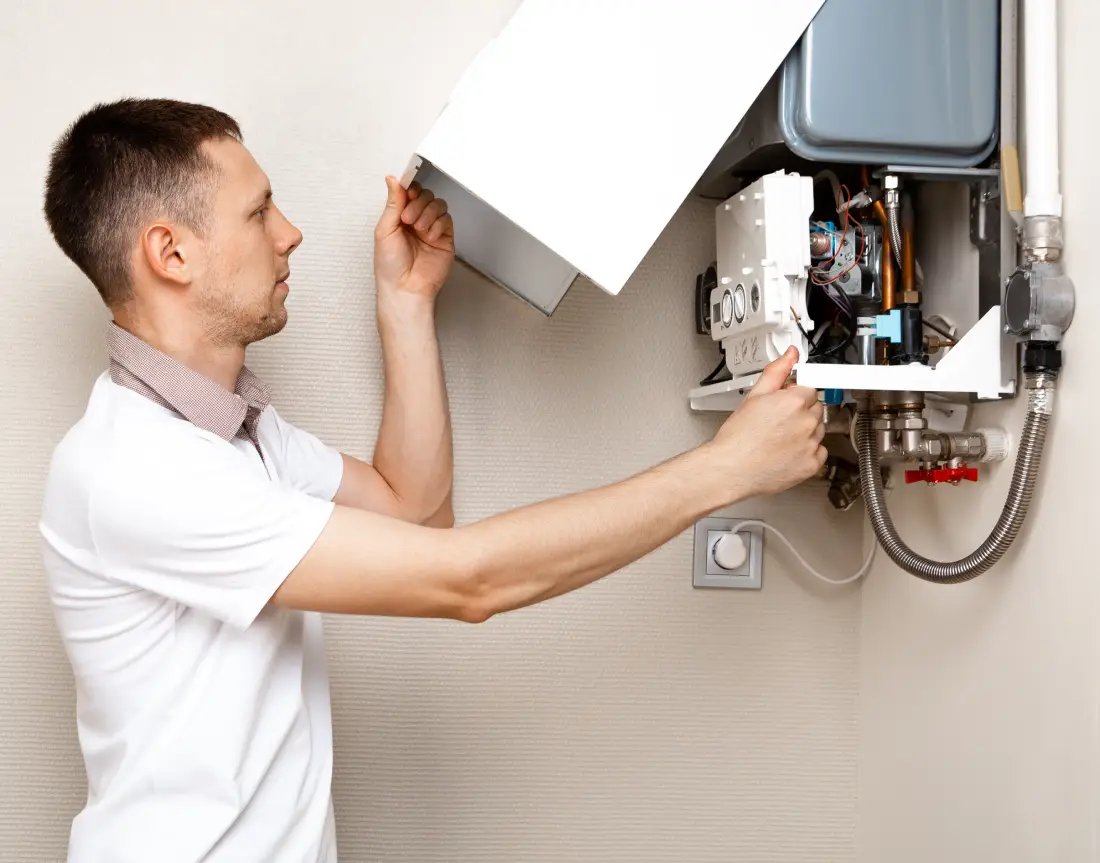
An experienced boiler fitter in Greenock should look beyond the boiler itself and consider how the different parts of the system interact.
That can include checking the current appliance, heating circuit, controls, radiators and hot water arrangements before recommending a replacement.
The assessment should also provide an opportunity to discuss practical issues such as boiler location, heating preferences, hot water demand and any recurring problems with the existing system.
Rather than assuming that every component needs replacing, the aim is to establish what can safely and effectively remain and what may need improvement.
What should you ask before agreeing to boiler installation?
Before work begins, homeowners can ask a few straightforward questions to understand what the installation involves:
- Is the proposed boiler correctly sized for the property?
- Can the existing radiators remain?
- Has the condition of the pipework been checked?
- Will the heating system need cleaning?
- Are the current controls suitable?
- Will any valves, filters or other components need replacing?
- What happens to the existing boiler and associated equipment?
- Is the quoted work based on an assessment of the whole system?
Clear answers can make it easier to understand the quotation and avoid unexpected work later.
A professional boiler installation should be based on the property’s actual requirements rather than simply the appliance specification.
Related articles
Mains Gas
LPG
At a glance
A boiler is often thought of as the heart of a home’s heating system, but it does not work on its own. It relies on a network of pipework, radiators, controls, valves and, depending on the type of boiler, a hot water system to deliver heat where it is needed.
Understanding how these parts work together can make it easier to spot potential problems, plan an upgrade and understand what is included when arranging boiler installation in Greenock. It can also help homeowners ask more useful questions before work begins.
What happens when your boiler heats your home?
A boiler heats water, which is then circulated through the heating system. In a typical central heating system, a pump moves heated water through the pipework to radiators around the property.
The basic process looks like this:
- The boiler heats water.
- A pump circulates the heated water through the heating circuit.
- Radiators transfer heat from the water into individual rooms.
- Cooler water returns through the pipework to be reheated.
- The cycle continues while there is a demand for heating.
The controls determine when the system should operate and how much heat is required. This means the performance of the boiler can be affected by other components within the system.
A correctly sized boiler connected to poorly performing radiators or restricted pipework may not deliver the results a homeowner expects. That is why a proper assessment should consider more than the appliance itself.
Which parts of a heating system work with the boiler?
Several components have important roles in distributing heat throughout a property. Their condition and compatibility can affect how effectively the system operates.
| Component | Main function | Why it matters |
| Boiler | Heats water | Provides the heat source for the system |
| Pump | Moves water around the circuit | Helps maintain circulation |
| Radiators | Release heat into rooms | Transfer heat from water to the home |
| Pipework | Carries water around the system | Affects circulation and heat distribution |
| Thermostatic radiator valves | Control individual radiators | Help regulate room temperatures |
| Room thermostat | Measures room temperature | Controls when heating is needed |
| Programmer or controller | Sets heating schedules | Determines when the system operates |
| Magnetic filter | Captures heating debris | Helps protect system components |
The exact arrangement depends on the type of boiler and heating system installed. A combi boiler, for example, handles domestic hot water differently from a system or regular boiler.
Can old pipework affect a new boiler?
Yes. Existing pipework can influence how well a replacement boiler performs, particularly where the system has been altered over many years.
Older properties may have sections of pipework that are smaller than those used in modern installations. There may also be restrictions caused by corrosion, sludge or debris inside the heating circuit.
A heating professional can assess factors such as:
- The condition and size of existing pipework
- Whether water can circulate effectively
- Signs of corrosion or leakage
- The condition of system components
- Whether the current layout is suitable for the proposed boiler
- Whether parts of the system need cleaning or modification
This does not automatically mean that all existing pipework needs replacing. In many homes, much of the existing system can remain in place if it is suitable and in reasonable condition.
A good assessment helps identify where changes are actually necessary rather than replacing components without a clear reason.
See how much you could save
Which fuel powers your boiler?
Mains Gas
LPG
It just takes 60 Seconds
And then you can book a free consultation
How do radiators affect boiler performance?
Radiators do not generate heat themselves. They release heat from the hot water circulating through them, so their size, condition and location can affect how comfortably a room heats.
A radiator that is too small for the room may struggle to provide enough heat, even if the boiler is operating correctly. Likewise, a radiator containing air or sludge may not heat evenly.
Common signs that a radiator or heating circuit needs attention include:
- Cold areas across part of the radiator
- A radiator that takes much longer to heat than others
- Unusual noises from the heating system
- Some rooms being consistently colder than others
- Radiators requiring frequent bleeding
When replacing a boiler, these issues are worth discussing with the installer. The problem may not be the boiler itself.
For homeowners arranging boiler installation in Greenock, checking the wider heating circuit can therefore be just as important as choosing the replacement appliance.
Why do heating controls matter?
Heating controls determine when the boiler runs and how the system responds to changes in temperature.
A basic arrangement might include a room thermostat and programmer. More modern controls can provide greater flexibility, allowing heating schedules and temperatures to be adjusted more precisely.
For example, a thermostat can detect when the room has reached the desired temperature and signal that less heat is required. Thermostatic radiator valves can also help control individual rooms.
This means that upgrading a boiler without considering the controls may leave an opportunity to improve how the system is managed.
During an assessment, an installer can consider whether the existing controls are compatible with the proposed boiler and whether changes could make the system easier to operate.
Does the type of boiler change how the heating system works?
Yes. Boiler type affects how heating and hot water are produced.
A combi boiler heats water directly when a hot tap or shower creates demand. It does not normally require a separate hot water cylinder.
A system boiler works with a hot water cylinder, while a regular boiler typically works with both a hot water cylinder and a cold water storage arrangement.
This distinction matters when planning a replacement because changing boiler type can involve changes elsewhere in the property.
For example, moving from a regular boiler system to a combi boiler may involve removing redundant cylinders or storage components, but whether this is suitable depends on the property’s hot water demand, water pressure and available space.
A boiler fitter in Greenock should therefore look at the existing arrangement before recommending a particular replacement.
What should be checked before a new boiler is installed?
A proper pre-installation assessment should establish whether the proposed boiler is appropriate for both the property and the existing heating system.
Important checks can include:
- Boiler location and flue arrangements
- Heating and hot water requirements
- Existing pipework
- Radiator condition
- Heating controls
- System pressure
- Water pressure and flow rate
- Available ventilation where applicable
- Drainage requirements
- Existing safety and isolation arrangements
- Space required for the replacement appliance
The installer should also consider the property’s layout and how the occupants use heating and hot water.
A larger property with several bathrooms may have very different requirements from a smaller home with one bathroom. Boiler selection should reflect actual demand rather than simply replacing an old appliance with one of a similar size.
Can a new boiler work with existing radiators?
In many cases, yes. A new boiler does not automatically mean that every radiator needs replacing.
Existing radiators can often remain if they are correctly sized, in suitable condition and compatible with the heating system. However, an assessment may identify individual radiators that are underperforming, damaged or unsuitable.
Cleaning the heating circuit may also be recommended where there is evidence of sludge or debris.
This is one reason it is useful to ask what is included in a boiler replacement quotation. The appliance itself is only one part of the overall installation.
What might a typical boiler replacement involve?
Consider a typical Greenock home with an older gas boiler, conventional radiators and ageing heating controls.
The boiler may be nearing the end of its service life, while the radiators still provide reasonable heat. During an assessment, the installer might find that the existing radiators can remain but the controls would benefit from an upgrade.
The heating circuit may also need cleaning before the new boiler is commissioned. In this situation, replacing the boiler does not necessarily mean replacing the entire heating system. Instead, the installation can focus on the components that genuinely need attention.
This approach helps homeowners understand where their money is being spent and why particular work has been recommended.
How can a boiler fitter assess the whole system?
An experienced boiler fitter in Greenock should look beyond the boiler itself and consider how the different parts of the system interact.
That can include checking the current appliance, heating circuit, controls, radiators and hot water arrangements before recommending a replacement.
The assessment should also provide an opportunity to discuss practical issues such as boiler location, heating preferences, hot water demand and any recurring problems with the existing system.
Rather than assuming that every component needs replacing, the aim is to establish what can safely and effectively remain and what may need improvement.
What should you ask before agreeing to boiler installation?
Before work begins, homeowners can ask a few straightforward questions to understand what the installation involves:
- Is the proposed boiler correctly sized for the property?
- Can the existing radiators remain?
- Has the condition of the pipework been checked?
- Will the heating system need cleaning?
- Are the current controls suitable?
- Will any valves, filters or other components need replacing?
- What happens to the existing boiler and associated equipment?
- Is the quoted work based on an assessment of the whole system?
Clear answers can make it easier to understand the quotation and avoid unexpected work later.
A professional boiler installation should be based on the property’s actual requirements rather than simply the appliance specification.


