New Combi Boiler Greenock: How Does It Provide Heating and Hot Water?
Discover how a combi boiler works with your radiators, pipework and heating controls to provide reliable heating and hot water. Learn what to consider before choosing a new combi boiler in Greenock.

Why you can trust our content
We understand that the boiler industry can be confusing, with plenty of outdated or misleading information. That’s why we rely only on trusted, proven sources to guide our advice and installations:

At a glance
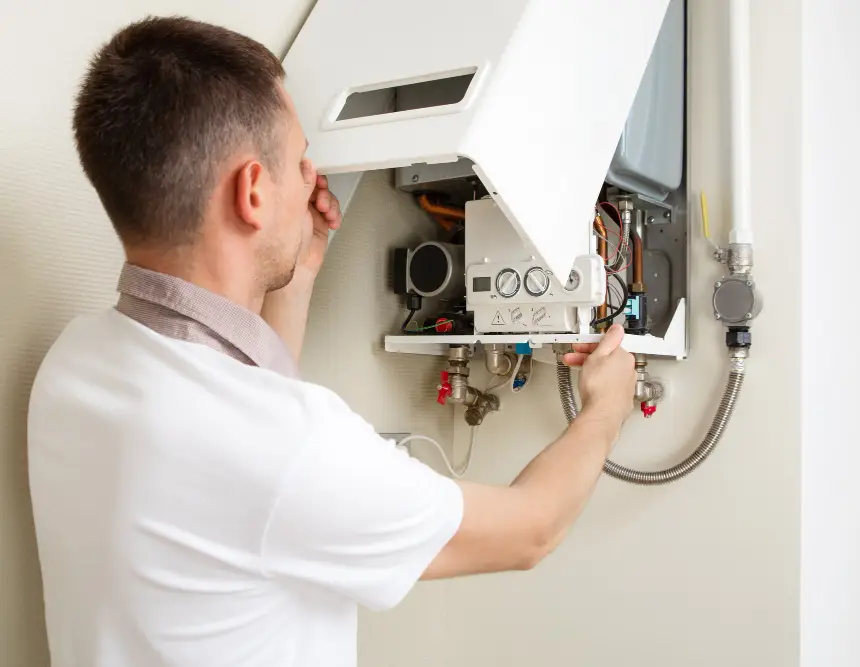
A combi boiler combines two functions in one appliance. It provides central heating for the home and heats domestic hot water when a tap or shower creates demand. Because it does not normally need a separate hot water cylinder, it can be a practical option for many properties.
However, choosing a combi boiler is not simply a matter of selecting an appliance and connecting it to the existing heating system. Water pressure, flow rate, pipework, radiators, controls and household hot water demand all influence how well the system performs.
Understanding how these parts work together can help homeowners decide whether a combi arrangement is suitable and what should be checked before installation.
How does a combi boiler heat your home?
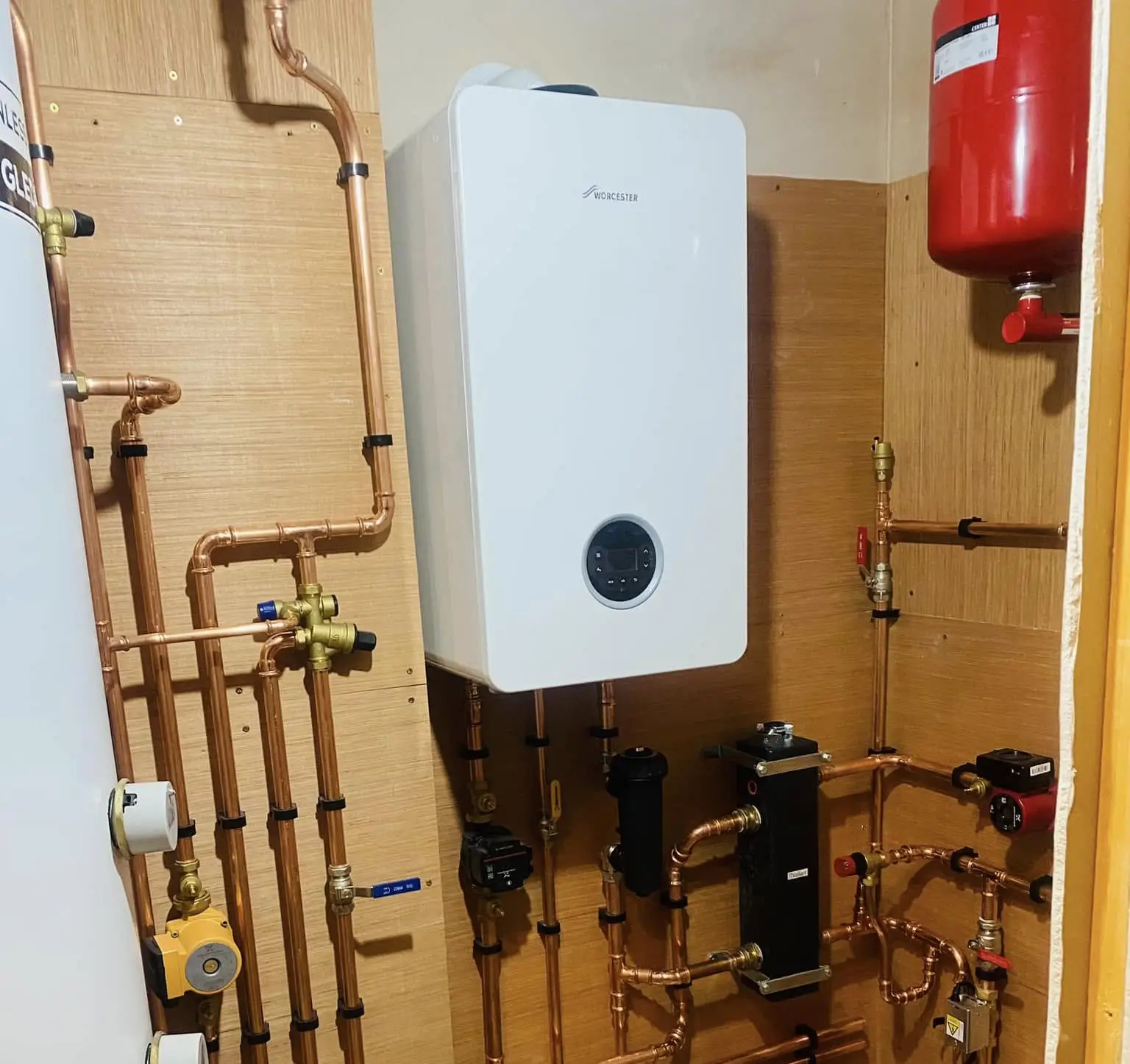
When the heating is switched on, the boiler heats water and a pump circulates it through the central heating circuit.
The heated water travels through the pipework to radiators around the property. Each radiator transfers some of the heat into the surrounding room. Once the water has passed through the heating circuit, it returns to the boiler to be heated again.
The cycle continues while the controls are calling for heat.
A basic heating cycle involves:
- The thermostat detecting that heat is required
- The boiler firing to heat the system water
- The pump circulating water around the heating circuit
- Radiators releasing heat into the rooms
- Cooler water returning to the boiler
- The boiler responding to the heating demand
The boiler therefore works as part of a wider system rather than operating independently.
How does a combi boiler provide hot water?
The hot water side works differently from central heating.
When a hot tap is opened, the boiler detects the demand and heats the incoming mains water. This heated water then travels directly to the tap or shower.
Unlike a system or regular boiler arrangement, a combi boiler does not normally store domestic hot water in a cylinder. Hot water is produced when it is needed.
This can provide several practical benefits, including:
- No separate hot water cylinder
- No cylinder cupboard taking up storage space
- Hot water available without waiting for a cylinder to heat
- Fewer components associated with stored hot water
The trade-off is that the boiler’s hot water performance depends heavily on the property’s incoming mains water flow and pressure.
What determines whether a combi boiler can provide enough hot water?
Water flow rate is particularly important. A combi boiler can only heat incoming water at a certain rate, so the available mains supply needs to support the expected demand.
A household with one bathroom and moderate hot water use may have different requirements from a larger property where several people regularly use showers and taps at the same time.
Before arranging a new combi boiler Greenock homeowners should consider:
- Incoming mains water pressure
- Mains water flow rate
- Number of bathrooms
- Typical shower use
- Number of people in the household
- Expected simultaneous hot water demand
- Existing cold water supply pipework
An installer can assess these factors before recommending a boiler output.
A boiler with a higher heating output is not automatically the right choice. The hot water requirement and heating demand should both be considered.
Why does boiler output matter?
Boiler output is generally expressed in kilowatts, or kW. However, the output required for central heating and the output required for domestic hot water can be different considerations with a combi boiler.
For heating, the required output depends on factors such as the property’s size, insulation, heat loss and radiator system.
For hot water, the output affects how quickly the boiler can heat the incoming mains water.
This means boiler selection needs to take the whole property into account rather than relying solely on the number of bedrooms.
Internal link: (Link to related blog: How Does a Boiler Work With the Rest of Your Heating System?)
Can existing radiators be used with a new combi boiler?
In many cases, yes. Installing a new combi boiler does not automatically require replacement radiators.
Existing radiators can often remain if they are appropriately sized, structurally sound and capable of transferring enough heat into each room.
However, an installer may identify issues such as:
- Uneven heating
- Corrosion
- Leaking valves
- Radiators that are too small for the room
- Cold sections caused by sludge or trapped air
- Poor circulation through parts of the system
These issues are worth investigating because a new boiler cannot compensate for every problem elsewhere in the heating circuit.
If the radiators are suitable, keeping them can make the replacement project more straightforward.
What happens to the hot water cylinder when changing to a combi?
If a property currently has a system or regular boiler with a hot water cylinder, switching to a combi changes how domestic hot water is produced.
The cylinder may no longer be required, although the exact arrangements depend on the existing system and the proposed installation.
Removing redundant equipment can create additional cupboard or storage space. However, converting the system is not always appropriate.
A property’s water supply, hot water demand and existing pipework all need to be considered before changing boiler type.
This is particularly important in larger households where several outlets may need hot water at the same time.
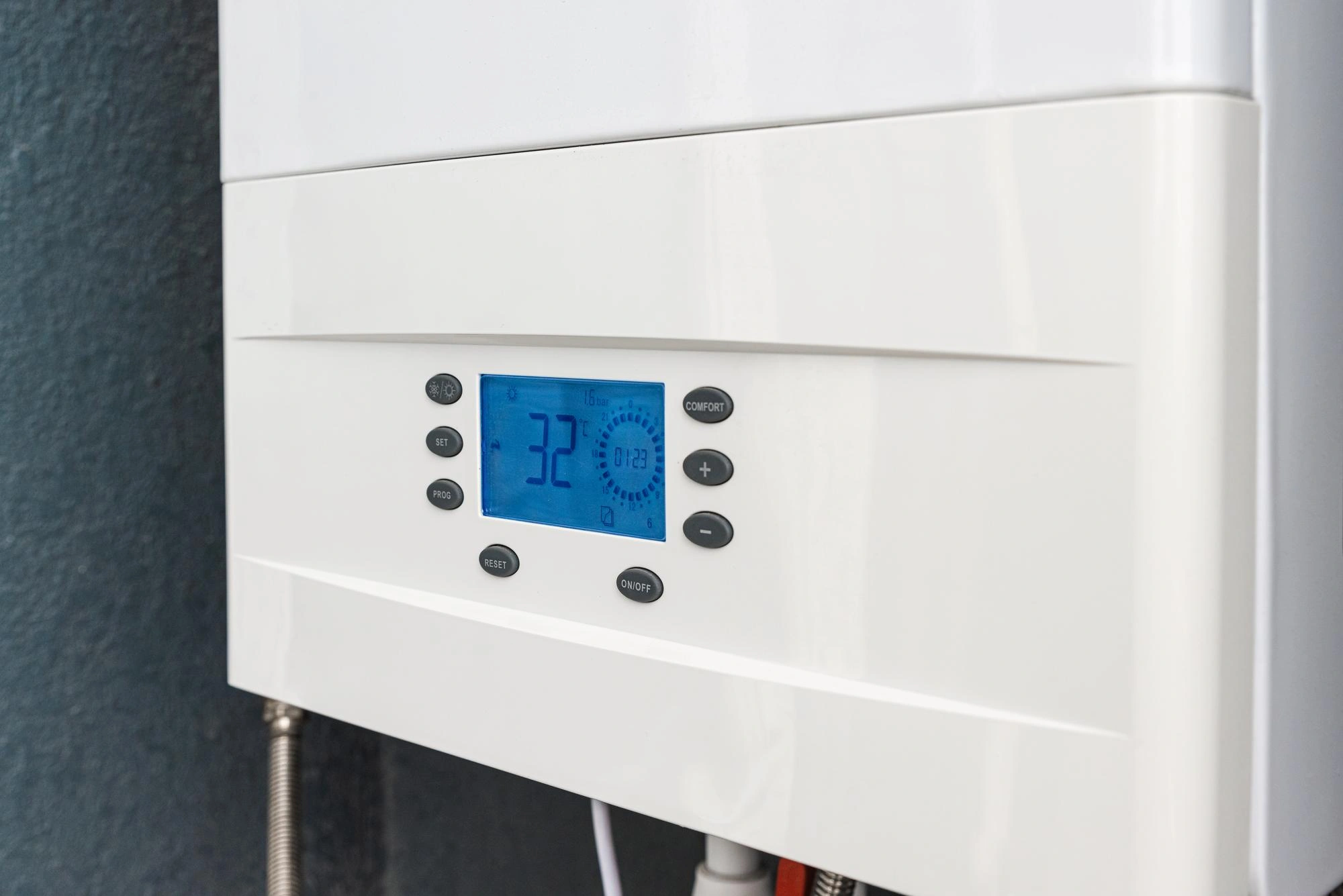
How do heating controls work with a combi boiler?
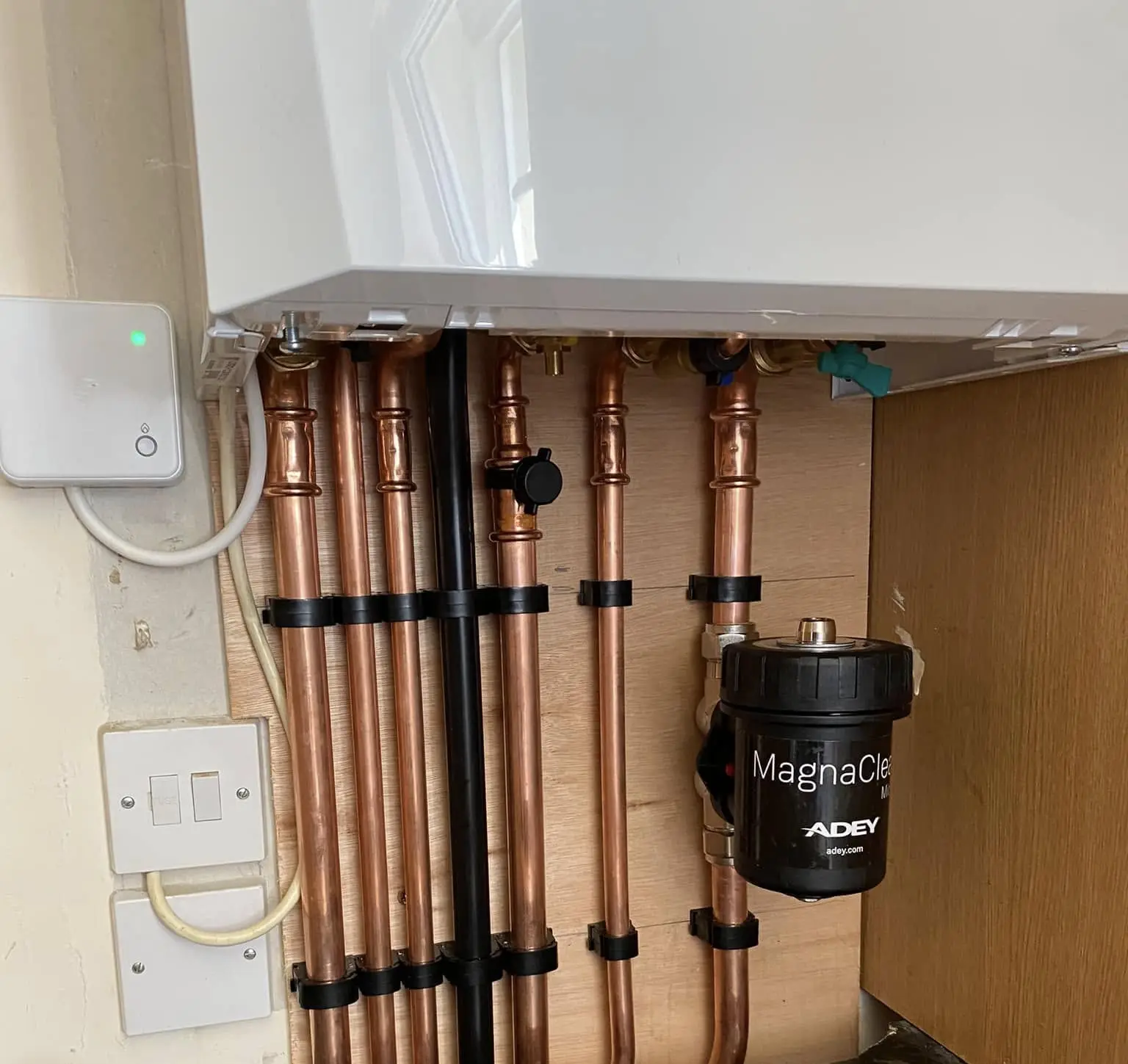
Controls tell the boiler when heating is required and help regulate the temperature within the property.
A room thermostat measures the temperature in a chosen area, while thermostatic radiator valves can provide additional control over individual rooms.
Depending on the boiler and control system, homeowners may also have options for programmed heating schedules or more advanced control arrangements.
When arranging combi boiler installation in Greenock, it is worth checking whether existing controls are compatible with the new appliance and whether upgrading them would improve control of the heating system.
Controls should be selected as part of the overall system rather than treated as an afterthought.
See how much you could save
Which fuel powers your boiler?
Mains Gas
LPG
It just takes 60 Seconds
And then you can book a free consultation
What should be checked before installing a combi boiler?
A pre-installation assessment can identify whether the property is suitable for a combi arrangement.
Key checks may include:
| Area to check | Why it matters |
| Mains water pressure | Affects hot water performance |
| Mains water flow rate | Determines how much water the boiler can heat |
| Existing pipework | Must support the new system |
| Heating demand | Helps establish suitable boiler output |
| Radiators | Need to provide sufficient heat |
| Boiler location | Determines flue and connection requirements |
| Condensate drainage | Required for a modern condensing boiler |
| Heating controls | Need to be suitable for the appliance |
| Hot water demand | Helps determine whether a combi is appropriate |
These checks are particularly useful when replacing an older boiler with a different type.
Can a combi boiler run multiple taps at once?
It can, but the available hot water flow will be divided between outlets.
For example, if a combi boiler is supplying a shower while another hot tap is opened, both outlets draw from the same hot water supply. The resulting flow and temperature can depend on the boiler’s capacity and the incoming mains supply.
This is one reason household usage matters when choosing a combi boiler.
A home where several bathrooms are frequently used at the same time may need a different hot water arrangement. A system boiler with a hot water cylinder can sometimes be more appropriate where stored hot water and simultaneous demand are important.
The correct choice depends on the property’s circumstances rather than a one-size-fits-all rule.
What can affect combi boiler performance?
Even a correctly selected boiler can perform poorly if the wider system has underlying issues.
Possible factors include:
- Restricted water flow
- Poor mains pressure
- Sludge in the heating circuit
- Inadequate pipework
- Incorrect controls
- Poorly balanced radiators
- Incorrect boiler settings
- Excessive hot water demand
Some issues are specific to the domestic hot water side, while others relate to central heating.
For this reason, troubleshooting should consider the complete system rather than immediately assuming that the boiler itself has failed.
What might a typical combi boiler replacement involve?
Imagine a Greenock property with an ageing combi boiler that struggles to provide reliable heating and hot water.
The existing radiators may still be in good condition, but the controls could be outdated and the heating circuit may contain accumulated debris. The installer could assess the mains water supply, check the radiators and pipework, and determine the appropriate boiler output.
If the system is suitable for a replacement combi, the work could focus on the boiler and any components that genuinely require attention.
This illustrates why a proper survey can be more useful than choosing a boiler based purely on an advertised price.
How can homeowners prepare for a combi boiler replacement?
Before the installation, it helps to understand how the household uses heating and hot water.
Consider:
- How many bathrooms are regularly used?
- Are showers used at the same time?
- Does the household experience low water pressure?
- Are some rooms consistently colder than others?
- Is the existing boiler located somewhere convenient?
- Are the current heating controls easy to use?
- Are there recurring heating or hot water problems?
Sharing this information with the installer can help them assess the system more accurately.
If the household’s needs have changed since the existing boiler was installed, this is also an opportunity to review whether the current boiler type remains suitable.
Related articles
Mains Gas
LPG
At a glance
A combi boiler combines two functions in one appliance. It provides central heating for the home and heats domestic hot water when a tap or shower creates demand. Because it does not normally need a separate hot water cylinder, it can be a practical option for many properties.
However, choosing a combi boiler is not simply a matter of selecting an appliance and connecting it to the existing heating system. Water pressure, flow rate, pipework, radiators, controls and household hot water demand all influence how well the system performs.
Understanding how these parts work together can help homeowners decide whether a combi arrangement is suitable and what should be checked before installation.
How does a combi boiler heat your home?
When the heating is switched on, the boiler heats water and a pump circulates it through the central heating circuit.
The heated water travels through the pipework to radiators around the property. Each radiator transfers some of the heat into the surrounding room. Once the water has passed through the heating circuit, it returns to the boiler to be heated again.
The cycle continues while the controls are calling for heat.
A basic heating cycle involves:
- The thermostat detecting that heat is required
- The boiler firing to heat the system water
- The pump circulating water around the heating circuit
- Radiators releasing heat into the rooms
- Cooler water returning to the boiler
- The boiler responding to the heating demand
The boiler therefore works as part of a wider system rather than operating independently.
How does a combi boiler provide hot water?
The hot water side works differently from central heating.
When a hot tap is opened, the boiler detects the demand and heats the incoming mains water. This heated water then travels directly to the tap or shower.
Unlike a system or regular boiler arrangement, a combi boiler does not normally store domestic hot water in a cylinder. Hot water is produced when it is needed.
This can provide several practical benefits, including:
- No separate hot water cylinder
- No cylinder cupboard taking up storage space
- Hot water available without waiting for a cylinder to heat
- Fewer components associated with stored hot water
The trade-off is that the boiler’s hot water performance depends heavily on the property’s incoming mains water flow and pressure.
What determines whether a combi boiler can provide enough hot water?
Water flow rate is particularly important. A combi boiler can only heat incoming water at a certain rate, so the available mains supply needs to support the expected demand.
A household with one bathroom and moderate hot water use may have different requirements from a larger property where several people regularly use showers and taps at the same time.
Before arranging a new combi boiler Greenock homeowners should consider:
- Incoming mains water pressure
- Mains water flow rate
- Number of bathrooms
- Typical shower use
- Number of people in the household
- Expected simultaneous hot water demand
- Existing cold water supply pipework
An installer can assess these factors before recommending a boiler output.
A boiler with a higher heating output is not automatically the right choice. The hot water requirement and heating demand should both be considered.
Why does boiler output matter?
Boiler output is generally expressed in kilowatts, or kW. However, the output required for central heating and the output required for domestic hot water can be different considerations with a combi boiler.
For heating, the required output depends on factors such as the property’s size, insulation, heat loss and radiator system.
For hot water, the output affects how quickly the boiler can heat the incoming mains water.
This means boiler selection needs to take the whole property into account rather than relying solely on the number of bedrooms.
Internal link: (Link to related blog: How Does a Boiler Work With the Rest of Your Heating System?)
Can existing radiators be used with a new combi boiler?
In many cases, yes. Installing a new combi boiler does not automatically require replacement radiators.
Existing radiators can often remain if they are appropriately sized, structurally sound and capable of transferring enough heat into each room.
However, an installer may identify issues such as:
- Uneven heating
- Corrosion
- Leaking valves
- Radiators that are too small for the room
- Cold sections caused by sludge or trapped air
- Poor circulation through parts of the system
These issues are worth investigating because a new boiler cannot compensate for every problem elsewhere in the heating circuit.
If the radiators are suitable, keeping them can make the replacement project more straightforward.
What happens to the hot water cylinder when changing to a combi?
If a property currently has a system or regular boiler with a hot water cylinder, switching to a combi changes how domestic hot water is produced.
The cylinder may no longer be required, although the exact arrangements depend on the existing system and the proposed installation.
Removing redundant equipment can create additional cupboard or storage space. However, converting the system is not always appropriate.
A property’s water supply, hot water demand and existing pipework all need to be considered before changing boiler type.
This is particularly important in larger households where several outlets may need hot water at the same time.
How do heating controls work with a combi boiler?
Controls tell the boiler when heating is required and help regulate the temperature within the property.
A room thermostat measures the temperature in a chosen area, while thermostatic radiator valves can provide additional control over individual rooms.
Depending on the boiler and control system, homeowners may also have options for programmed heating schedules or more advanced control arrangements.
When arranging combi boiler installation in Greenock, it is worth checking whether existing controls are compatible with the new appliance and whether upgrading them would improve control of the heating system.
Controls should be selected as part of the overall system rather than treated as an afterthought.
See how much you could save
Which fuel powers your boiler?
Mains Gas
LPG
It just takes 60 Seconds
And then you can book a free consultation
What should be checked before installing a combi boiler?
A pre-installation assessment can identify whether the property is suitable for a combi arrangement.
Key checks may include:
| Area to check | Why it matters |
| Mains water pressure | Affects hot water performance |
| Mains water flow rate | Determines how much water the boiler can heat |
| Existing pipework | Must support the new system |
| Heating demand | Helps establish suitable boiler output |
| Radiators | Need to provide sufficient heat |
| Boiler location | Determines flue and connection requirements |
| Condensate drainage | Required for a modern condensing boiler |
| Heating controls | Need to be suitable for the appliance |
| Hot water demand | Helps determine whether a combi is appropriate |
These checks are particularly useful when replacing an older boiler with a different type.
Can a combi boiler run multiple taps at once?
It can, but the available hot water flow will be divided between outlets.
For example, if a combi boiler is supplying a shower while another hot tap is opened, both outlets draw from the same hot water supply. The resulting flow and temperature can depend on the boiler’s capacity and the incoming mains supply.
This is one reason household usage matters when choosing a combi boiler.
A home where several bathrooms are frequently used at the same time may need a different hot water arrangement. A system boiler with a hot water cylinder can sometimes be more appropriate where stored hot water and simultaneous demand are important.
The correct choice depends on the property’s circumstances rather than a one-size-fits-all rule.
What can affect combi boiler performance?
Even a correctly selected boiler can perform poorly if the wider system has underlying issues.
Possible factors include:
- Restricted water flow
- Poor mains pressure
- Sludge in the heating circuit
- Inadequate pipework
- Incorrect controls
- Poorly balanced radiators
- Incorrect boiler settings
- Excessive hot water demand
Some issues are specific to the domestic hot water side, while others relate to central heating.
For this reason, troubleshooting should consider the complete system rather than immediately assuming that the boiler itself has failed.
What might a typical combi boiler replacement involve?
Imagine a Greenock property with an ageing combi boiler that struggles to provide reliable heating and hot water.
The existing radiators may still be in good condition, but the controls could be outdated and the heating circuit may contain accumulated debris. The installer could assess the mains water supply, check the radiators and pipework, and determine the appropriate boiler output.
If the system is suitable for a replacement combi, the work could focus on the boiler and any components that genuinely require attention.
This illustrates why a proper survey can be more useful than choosing a boiler based purely on an advertised price.
How can homeowners prepare for a combi boiler replacement?
Before the installation, it helps to understand how the household uses heating and hot water.
Consider:
- How many bathrooms are regularly used?
- Are showers used at the same time?
- Does the household experience low water pressure?
- Are some rooms consistently colder than others?
- Is the existing boiler located somewhere convenient?
- Are the current heating controls easy to use?
- Are there recurring heating or hot water problems?
Sharing this information with the installer can help them assess the system more accurately.
If the household’s needs have changed since the existing boiler was installed, this is also an opportunity to review whether the current boiler type remains suitable.