
Boiler Repair Greenock: How Can You Tell Whether the Problem Is the Boiler or the Wider System?
Discover how to identify whether your boiler or another heating component is causing problems. Learn about common faults, cold radiators, pressure loss and when to call a qualified heating engineer for professional diagnosis and repair.

Why you can trust our content
We understand that the boiler industry can be confusing, with plenty of outdated or misleading information. That’s why we rely only on trusted, proven sources to guide our advice and installations:

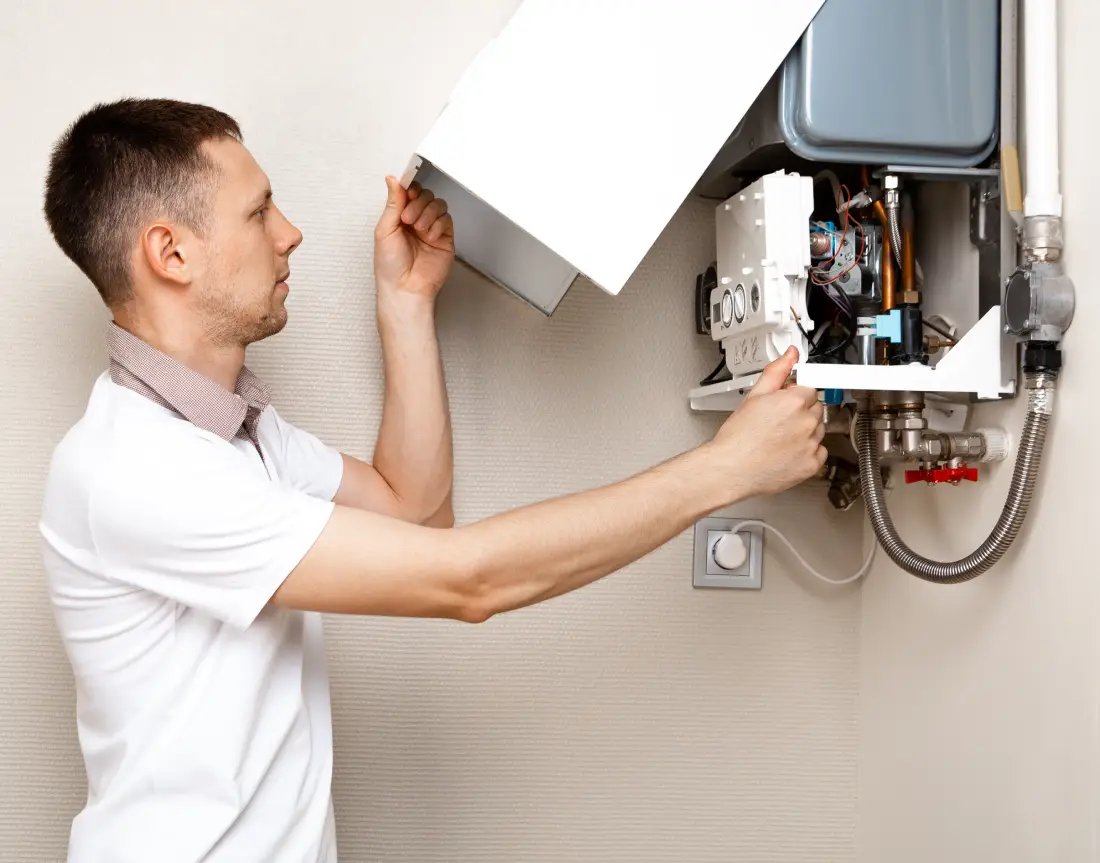
At a glance
When central heating stops working properly, it is natural to assume that the boiler is at fault. After all, the boiler is responsible for generating the heat. However, a heating system contains several other components, and a fault elsewhere can produce symptoms that look very similar to a boiler problem.
Radiators, thermostats, pumps, valves, pipework and controls all need to work together. A boiler may be operating correctly while another component prevents heat or hot water from reaching the parts of the property where it is needed.
Understanding the difference can help homeowners describe the problem more accurately and know what an engineer may need to investigate.
What are the signs that the boiler itself may have a problem?
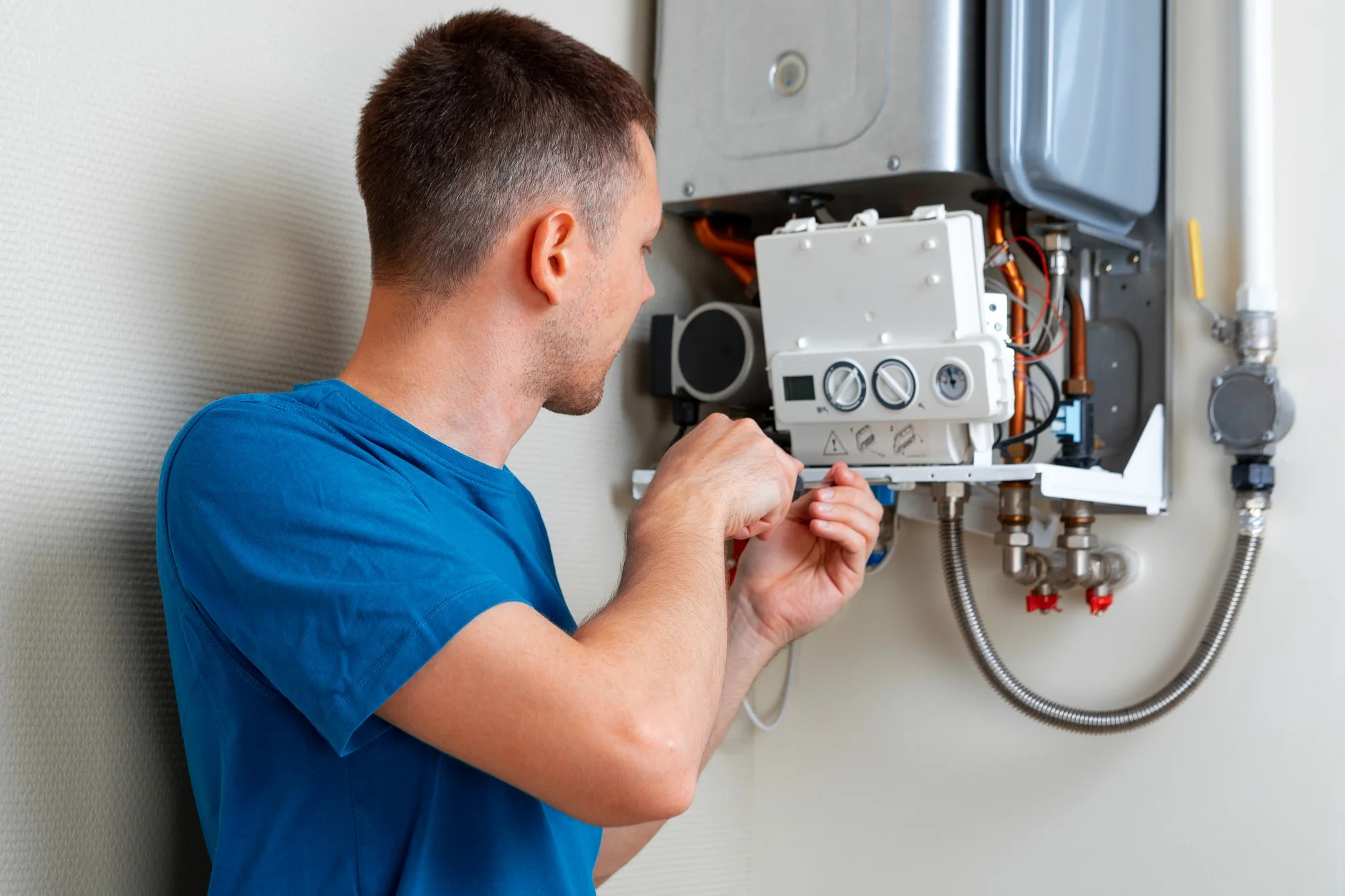
Some symptoms point more directly towards the boiler. These can include repeated fault codes, unusual noises from the appliance, loss of pressure, failure to ignite or an inability to produce either heating or hot water.
However, symptoms alone do not always identify the exact cause.
For example, a boiler that appears to be working but produces little heat could have an issue with circulation elsewhere in the system. Similarly, a heating system that repeatedly loses pressure could have a leak in the wider pipework rather than a fault within the boiler.
Common signs that warrant professional investigation include:
- The boiler repeatedly switches off
- A fault code appears on the display
- Heating or hot water stops unexpectedly
- Boiler pressure repeatedly falls
- The appliance makes unusual noises
- The boiler fails to ignite
- Hot water temperature is inconsistent
Gas boiler faults should not be investigated by homeowners beyond the basic checks described in the manufacturer’s instructions. Gas appliances should be assessed and repaired by an appropriately qualified professional.
Could the thermostat be causing the problem?
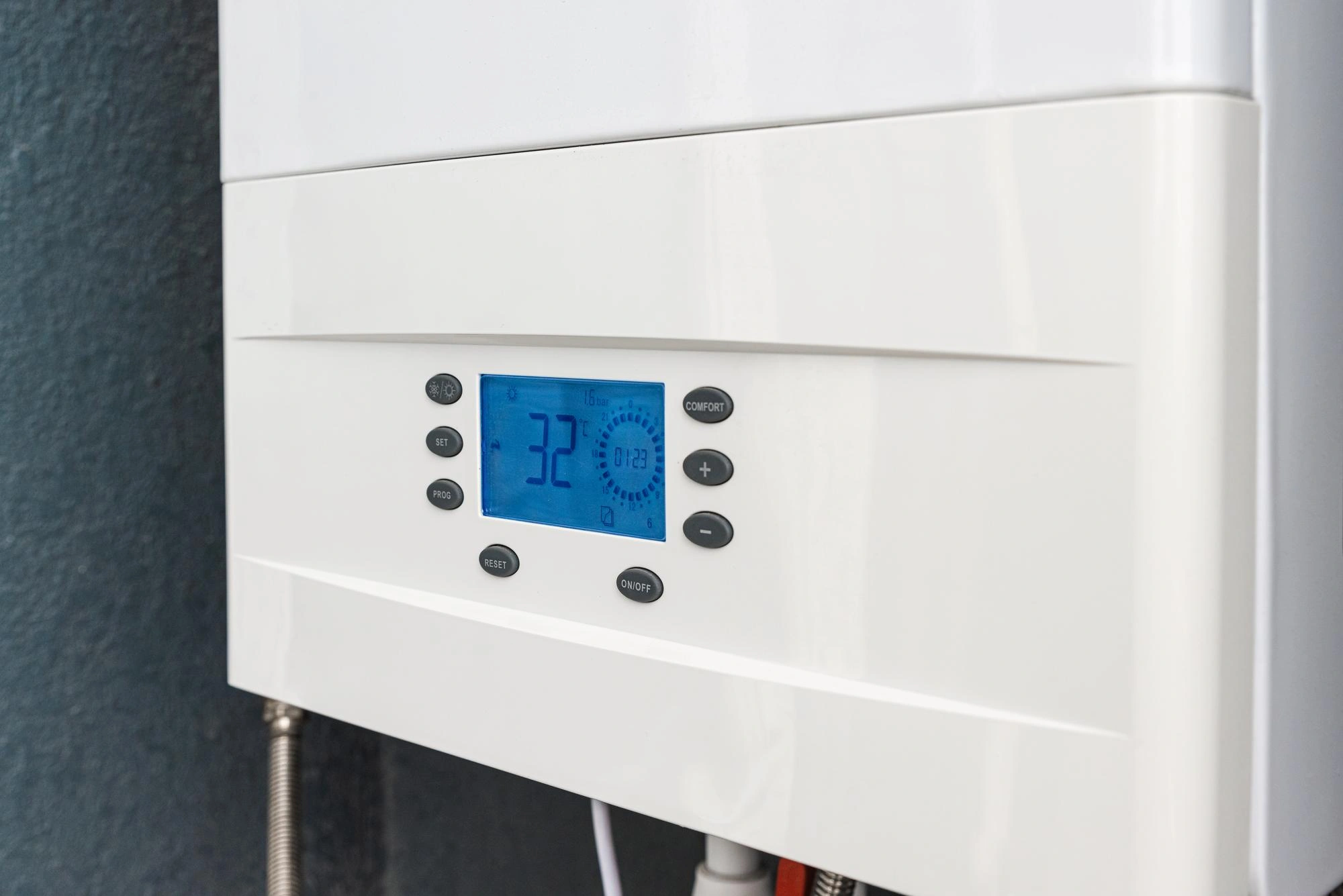
Yes. A thermostat tells the heating system when heat is required. If it is incorrectly set, faulty or unable to communicate with the boiler, the heating may not operate as expected.
Before arranging boiler repair, homeowners can check a few simple things:
- Is the thermostat set above the current room temperature?
- Is the heating programme active?
- Are the controls showing any warning?
- Do the batteries need replacing, if applicable?
- Has the heating been accidentally switched off?
These basic checks can sometimes identify a control issue without any work being carried out on the boiler.
If the controls appear to be operating normally but the heating still does not respond, a heating engineer can investigate whether the thermostat, wiring, receiver or another part of the control system is responsible.
Why can radiators be cold when the boiler is working?
A cold radiator does not automatically mean the boiler has failed.
If one radiator is cold while others are heating normally, the problem may be local to that radiator. A closed or faulty valve, trapped air or restricted flow can prevent it from heating correctly.
If several radiators are cold, the cause could be more widespread. Circulation, pump operation, system pressure or controls may need to be checked.
Some common radiator symptoms include:
| Symptom | Possible area to investigate |
| One radiator stays cold | Valve, trapped air or local restriction |
| Radiator cold at the top | Air may be present |
| Radiator cold at the bottom | Sludge or restricted circulation may be involved |
| Several radiators stay cold | Circulation, controls or system issue |
| Radiators heat unevenly | Balancing or circulation may need checking |
| All radiators remain cold | Boiler, controls, pump or wider system |
These are possible causes rather than definite diagnoses. An engineer should establish the actual fault before carrying out repairs.
Can low boiler pressure indicate a wider heating problem?
It can. A sealed central heating system relies on an appropriate pressure level to operate correctly.
If pressure repeatedly falls after being restored, there may be an underlying reason. This could include a leak, a problem with an expansion vessel, a pressure relief issue or another system fault.
Homeowners should not repeatedly top up the pressure without finding out why it is dropping.
A small amount of pressure variation can occur as the system heats and cools, but persistent loss deserves professional attention.
For anyone arranging boiler repair Greenock, explaining how often pressure falls and whether it happens when the heating is operating can provide useful information for the engineer.
What role does the circulation pump play?
The pump moves heated water around the central heating circuit. If it is not operating correctly, the boiler may generate heat without that heat being distributed effectively.
A circulation problem can produce symptoms such as:
- Radiators failing to heat
- Some radiators heating while others remain cold
- Unusual noises
- The boiler reaching temperature quickly and switching off
- Poor heating performance throughout the property
The pump can be affected by age, mechanical wear, electrical faults or debris within the system.
Because the pump is connected to the wider heating circuit, diagnosing the problem may involve checking more than the boiler itself.
Can valves cause heating problems?
Yes. Heating systems contain several valves that regulate or isolate water flow.
Thermostatic radiator valves, for example, control the amount of hot water entering individual radiators. If a valve becomes stuck or fails, that radiator may remain cold even though the rest of the system works.
Other valves are involved in balancing, isolation and system operation.
A heating engineer can determine whether a valve is preventing normal circulation and whether it can be repaired or needs replacement.
This is another example of why assuming the boiler is responsible for every heating fault can lead to the wrong diagnosis.
How can pipework affect heating performance?
Pipework carries water between the boiler and the rest of the heating system. Problems within the pipework can restrict circulation or cause water loss.
Older systems may contain accumulated sludge or corrosion deposits. A significant build-up can affect water flow through radiators and other components.
Leaks are another possible issue. Even a relatively small leak can cause pressure loss over time.
If a boiler appears to be working but the heating performance is poor, checking the condition and operation of the wider circuit can therefore be important.
See how much you could save
Which fuel powers your boiler?
Mains Gas
LPG
It just takes 60 Seconds
And then you can book a free consultation
What information should you give an engineer?
A clear description of the symptoms can make fault-finding more efficient.
Before an appointment, note:
- When the problem started
- Whether heating, hot water or both are affected
- Whether the problem is constant or intermittent
- Any fault code displayed
- Whether boiler pressure is changing
- Whether all radiators are affected
- Any unusual noises
- Whether the problem occurs at particular times
- Whether the system has recently been serviced or altered
You do not need to diagnose the fault yourself. Describing what you can see, hear and experience is usually more useful than trying to identify the failed component.
Does a boiler repair always involve replacing a part?
No. A repair may involve adjustment, cleaning, replacing a faulty component or correcting an issue elsewhere in the system.
For example, if a radiator valve has failed, repairing the valve may restore heating to that radiator without any work being required on the boiler.
Likewise, a controls issue may be resolved without replacing the appliance.
A professional assessment should establish the cause before recommending a repair. If the boiler is older or repeatedly developing faults, the engineer may also discuss whether repair or replacement is the more appropriate long-term option.
What happens during a heating fault investigation?
The exact process depends on the symptoms, but an engineer will normally work through the system methodically rather than immediately replacing components.
This may involve checking:
- The boiler’s operating condition
- Fault codes and diagnostic information
- System pressure
- Heating controls
- Pump operation
- Radiator temperatures
- Valves and circulation
- Pipework and visible signs of leakage
- Relevant electrical connections
- The overall interaction between the components
The objective is to identify the underlying fault rather than simply treat the most obvious symptom.
For homeowners seeking boiler repair in Greenock, this wider approach can be particularly useful where a problem has been recurring.
When should you stop troubleshooting and call an engineer?
Simple checks such as reviewing the thermostat setting or checking the boiler pressure against the manufacturer’s guidance may be reasonable.
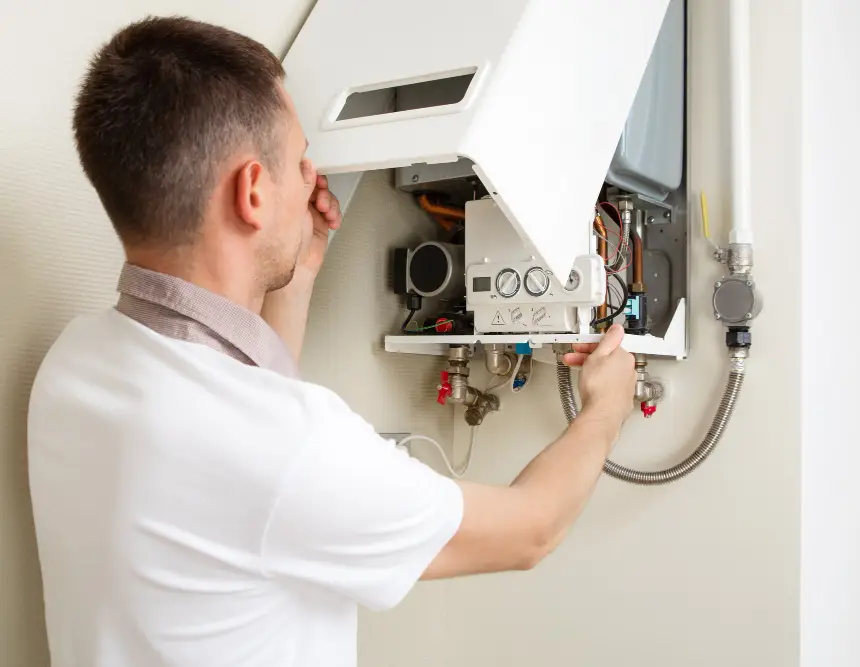
However, homeowners should not remove boiler covers, interfere with gas components or attempt electrical repairs.
Professional help is appropriate when:
- The boiler repeatedly locks out
- A fault keeps returning
- There is a suspected gas leak
- There is persistent pressure loss
- Heating or hot water repeatedly fails
- The boiler produces unusual sounds
- A component appears damaged
- The system is leaking
- You are unsure whether the appliance is operating safely
If you smell gas, follow the appropriate emergency gas safety guidance rather than attempting to diagnose or repair the appliance yourself.
Related articles
Mains Gas
LPG
At a glance
When central heating stops working properly, it is natural to assume that the boiler is at fault. After all, the boiler is responsible for generating the heat. However, a heating system contains several other components, and a fault elsewhere can produce symptoms that look very similar to a boiler problem.
Radiators, thermostats, pumps, valves, pipework and controls all need to work together. A boiler may be operating correctly while another component prevents heat or hot water from reaching the parts of the property where it is needed.
Understanding the difference can help homeowners describe the problem more accurately and know what an engineer may need to investigate.
What are the signs that the boiler itself may have a problem?
Some symptoms point more directly towards the boiler. These can include repeated fault codes, unusual noises from the appliance, loss of pressure, failure to ignite or an inability to produce either heating or hot water.
However, symptoms alone do not always identify the exact cause.
For example, a boiler that appears to be working but produces little heat could have an issue with circulation elsewhere in the system. Similarly, a heating system that repeatedly loses pressure could have a leak in the wider pipework rather than a fault within the boiler.
Common signs that warrant professional investigation include:
- The boiler repeatedly switches off
- A fault code appears on the display
- Heating or hot water stops unexpectedly
- Boiler pressure repeatedly falls
- The appliance makes unusual noises
- The boiler fails to ignite
- Hot water temperature is inconsistent
Gas boiler faults should not be investigated by homeowners beyond the basic checks described in the manufacturer’s instructions. Gas appliances should be assessed and repaired by an appropriately qualified professional.
Could the thermostat be causing the problem?
Yes. A thermostat tells the heating system when heat is required. If it is incorrectly set, faulty or unable to communicate with the boiler, the heating may not operate as expected.
Before arranging boiler repair, homeowners can check a few simple things:
- Is the thermostat set above the current room temperature?
- Is the heating programme active?
- Are the controls showing any warning?
- Do the batteries need replacing, if applicable?
- Has the heating been accidentally switched off?
These basic checks can sometimes identify a control issue without any work being carried out on the boiler.
If the controls appear to be operating normally but the heating still does not respond, a heating engineer can investigate whether the thermostat, wiring, receiver or another part of the control system is responsible.
Why can radiators be cold when the boiler is working?
A cold radiator does not automatically mean the boiler has failed.
If one radiator is cold while others are heating normally, the problem may be local to that radiator. A closed or faulty valve, trapped air or restricted flow can prevent it from heating correctly.
If several radiators are cold, the cause could be more widespread. Circulation, pump operation, system pressure or controls may need to be checked.
Some common radiator symptoms include:
| Symptom | Possible area to investigate |
| One radiator stays cold | Valve, trapped air or local restriction |
| Radiator cold at the top | Air may be present |
| Radiator cold at the bottom | Sludge or restricted circulation may be involved |
| Several radiators stay cold | Circulation, controls or system issue |
| Radiators heat unevenly | Balancing or circulation may need checking |
| All radiators remain cold | Boiler, controls, pump or wider system |
These are possible causes rather than definite diagnoses. An engineer should establish the actual fault before carrying out repairs.
Can low boiler pressure indicate a wider heating problem?
It can. A sealed central heating system relies on an appropriate pressure level to operate correctly.
If pressure repeatedly falls after being restored, there may be an underlying reason. This could include a leak, a problem with an expansion vessel, a pressure relief issue or another system fault.
Homeowners should not repeatedly top up the pressure without finding out why it is dropping.
A small amount of pressure variation can occur as the system heats and cools, but persistent loss deserves professional attention.
For anyone arranging boiler repair Greenock, explaining how often pressure falls and whether it happens when the heating is operating can provide useful information for the engineer.
What role does the circulation pump play?
The pump moves heated water around the central heating circuit. If it is not operating correctly, the boiler may generate heat without that heat being distributed effectively.
A circulation problem can produce symptoms such as:
- Radiators failing to heat
- Some radiators heating while others remain cold
- Unusual noises
- The boiler reaching temperature quickly and switching off
- Poor heating performance throughout the property
The pump can be affected by age, mechanical wear, electrical faults or debris within the system.
Because the pump is connected to the wider heating circuit, diagnosing the problem may involve checking more than the boiler itself.
Can valves cause heating problems?
Yes. Heating systems contain several valves that regulate or isolate water flow.
Thermostatic radiator valves, for example, control the amount of hot water entering individual radiators. If a valve becomes stuck or fails, that radiator may remain cold even though the rest of the system works.
Other valves are involved in balancing, isolation and system operation.
A heating engineer can determine whether a valve is preventing normal circulation and whether it can be repaired or needs replacement.
This is another example of why assuming the boiler is responsible for every heating fault can lead to the wrong diagnosis.
How can pipework affect heating performance?
Pipework carries water between the boiler and the rest of the heating system. Problems within the pipework can restrict circulation or cause water loss.
Older systems may contain accumulated sludge or corrosion deposits. A significant build-up can affect water flow through radiators and other components.
Leaks are another possible issue. Even a relatively small leak can cause pressure loss over time.
If a boiler appears to be working but the heating performance is poor, checking the condition and operation of the wider circuit can therefore be important.
See how much you could save
Which fuel powers your boiler?
Mains Gas
LPG
It just takes 60 Seconds
And then you can book a free consultation
What information should you give an engineer?
A clear description of the symptoms can make fault-finding more efficient.
Before an appointment, note:
- When the problem started
- Whether heating, hot water or both are affected
- Whether the problem is constant or intermittent
- Any fault code displayed
- Whether boiler pressure is changing
- Whether all radiators are affected
- Any unusual noises
- Whether the problem occurs at particular times
- Whether the system has recently been serviced or altered
You do not need to diagnose the fault yourself. Describing what you can see, hear and experience is usually more useful than trying to identify the failed component.
Does a boiler repair always involve replacing a part?
No. A repair may involve adjustment, cleaning, replacing a faulty component or correcting an issue elsewhere in the system.
For example, if a radiator valve has failed, repairing the valve may restore heating to that radiator without any work being required on the boiler.
Likewise, a controls issue may be resolved without replacing the appliance.
A professional assessment should establish the cause before recommending a repair. If the boiler is older or repeatedly developing faults, the engineer may also discuss whether repair or replacement is the more appropriate long-term option.
What happens during a heating fault investigation?
The exact process depends on the symptoms, but an engineer will normally work through the system methodically rather than immediately replacing components.
This may involve checking:
- The boiler’s operating condition
- Fault codes and diagnostic information
- System pressure
- Heating controls
- Pump operation
- Radiator temperatures
- Valves and circulation
- Pipework and visible signs of leakage
- Relevant electrical connections
- The overall interaction between the components
The objective is to identify the underlying fault rather than simply treat the most obvious symptom.
For homeowners seeking boiler repair in Greenock, this wider approach can be particularly useful where a problem has been recurring.
When should you stop troubleshooting and call an engineer?
Simple checks such as reviewing the thermostat setting or checking the boiler pressure against the manufacturer’s guidance may be reasonable.
However, homeowners should not remove boiler covers, interfere with gas components or attempt electrical repairs.
Professional help is appropriate when:
- The boiler repeatedly locks out
- A fault keeps returning
- There is a suspected gas leak
- There is persistent pressure loss
- Heating or hot water repeatedly fails
- The boiler produces unusual sounds
- A component appears damaged
- The system is leaking
- You are unsure whether the appliance is operating safely
If you smell gas, follow the appropriate emergency gas safety guidance rather than attempting to diagnose or repair the appliance yourself.


